
Immersion Day at IVY: A Full Day to Come Back to Yourself
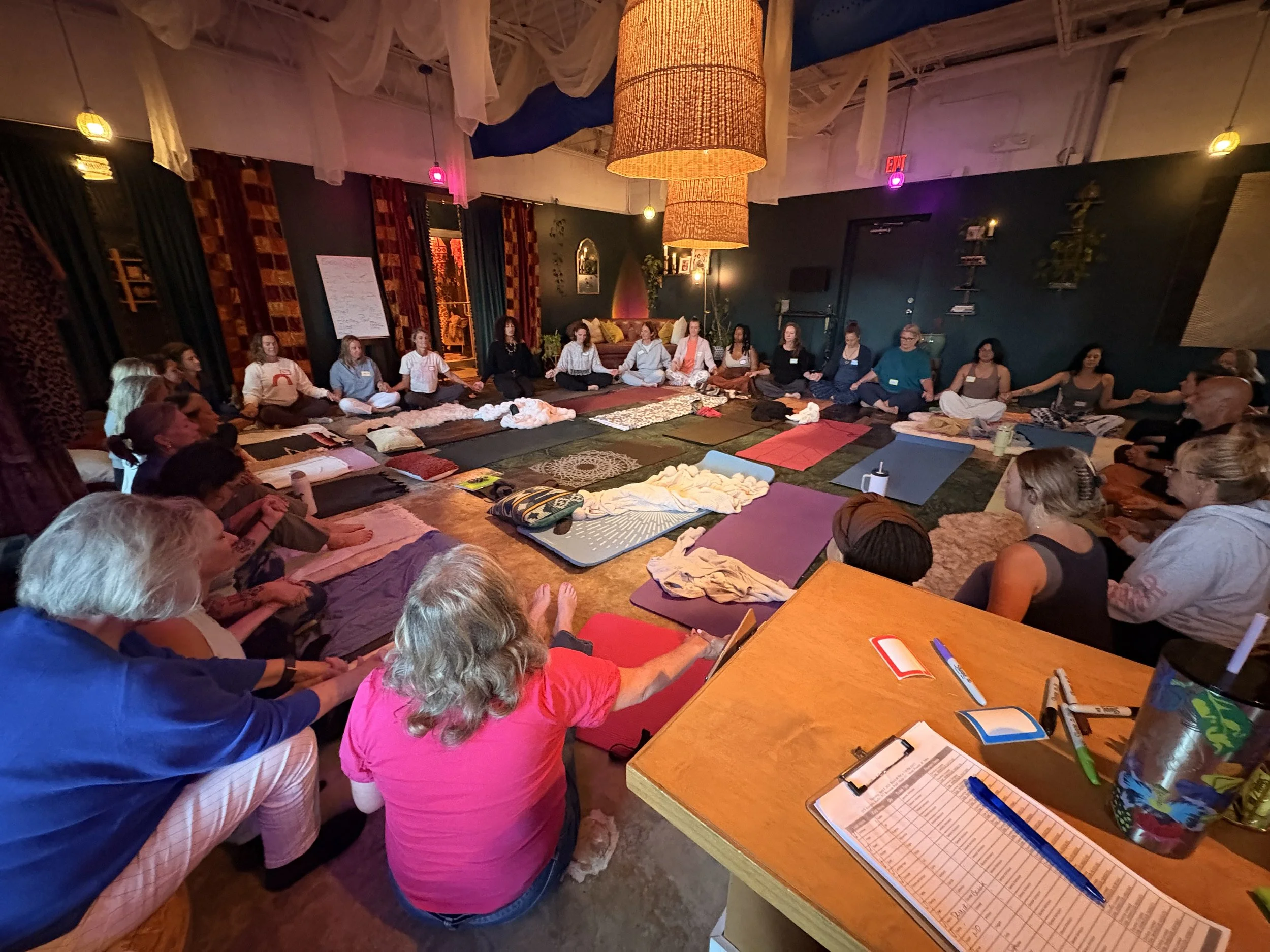
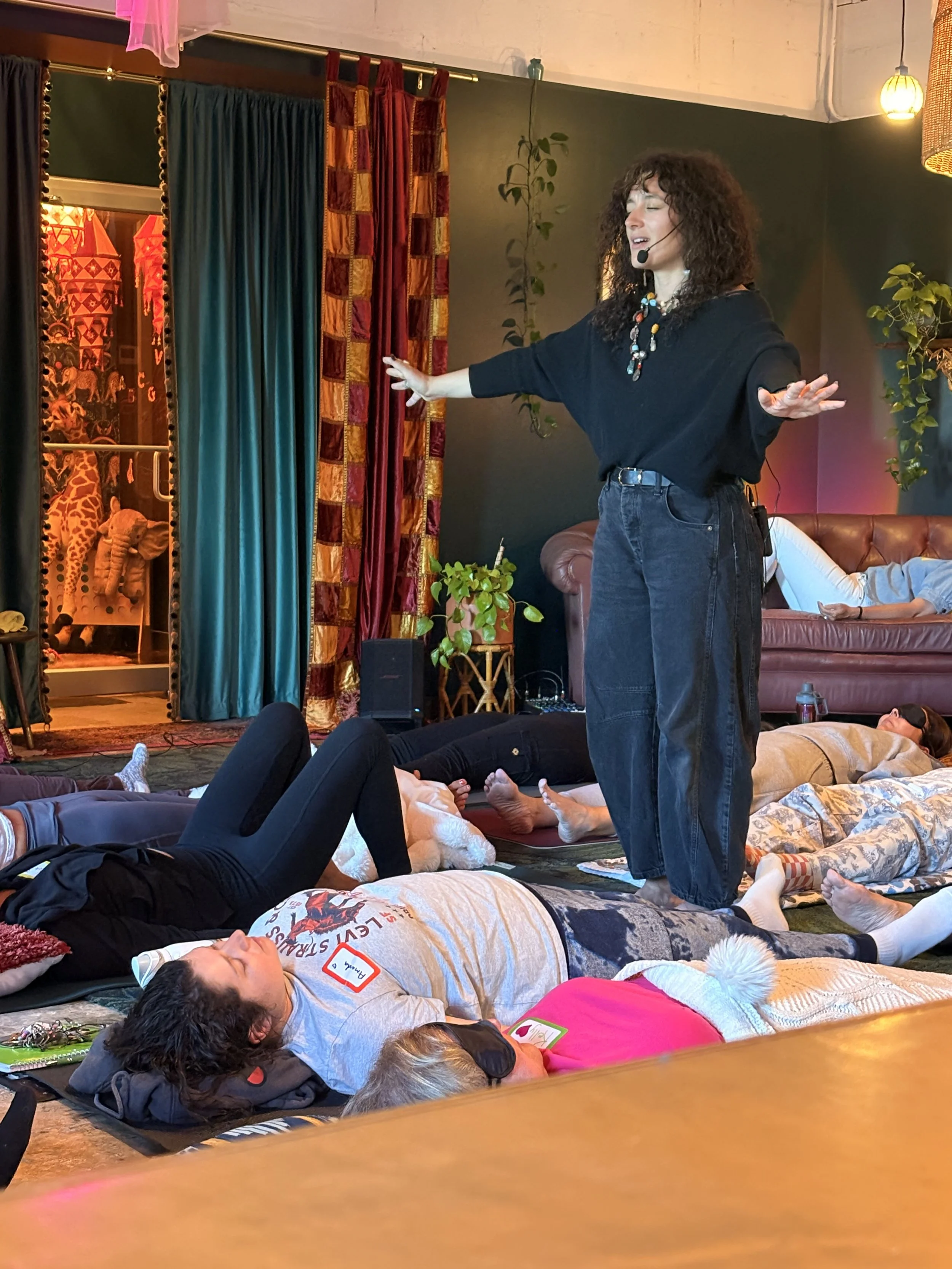

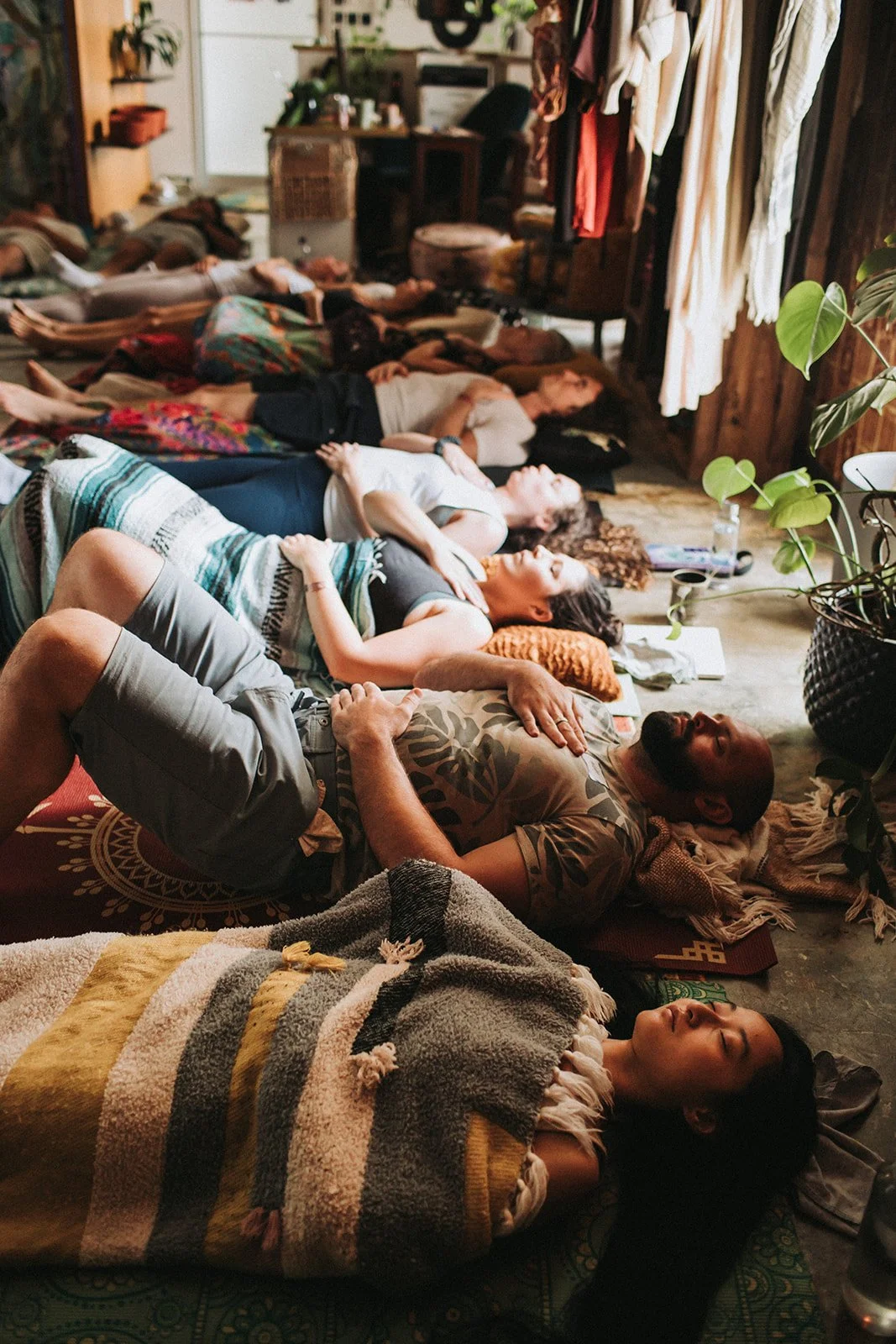
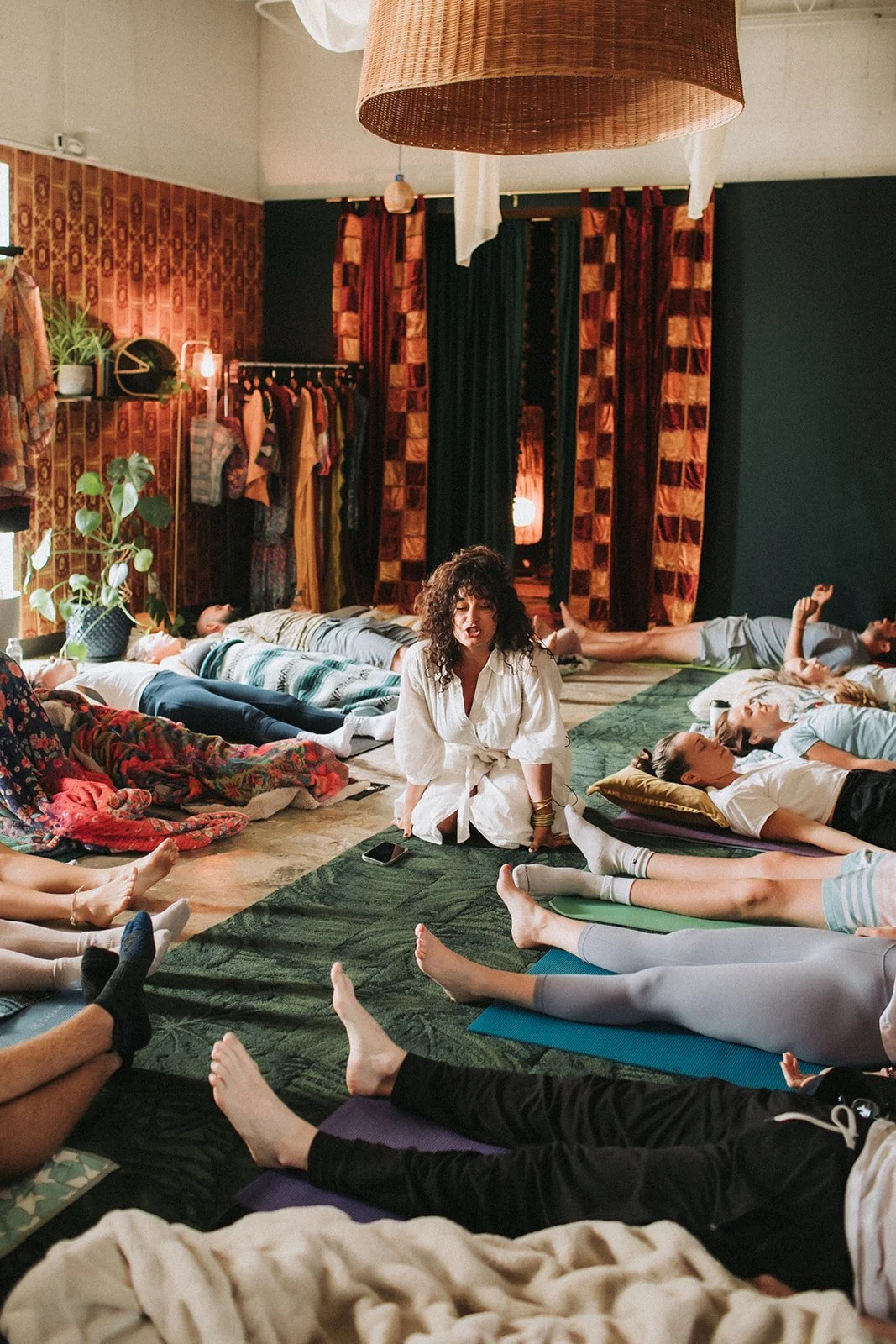
There are times when you don't need another appointment, another podcast, or another thing added to your already full schedule.
You need space.
Space to slow down.
Space to breathe.
Space to listen to what's actually happening inside of you.
That's the idea behind Immersion Day at IVY Energetic Studio.
Immersion Day is a full day designed to step away from the noise of everyday life and give your nervous system, your body, and your mind some room to reset.
It's an opportunity to spend an entire day focused on yourself, surrounded by supportive practitioners, intentional practices, good food, reflection, and community.
And you don't need to be an existing IVY practice member to participate.
What is Immersion Day?

Immersion Day is a full day experience at IVY that brings several pieces of our work together in one intentional container.
The Fall Edition takes place on Saturday, September 19, 2026, from 8:30 AM to 5:30 PM at IVY Energetic Studio in Mount Pleasant, South Carolina.
Throughout the day, you'll experience:
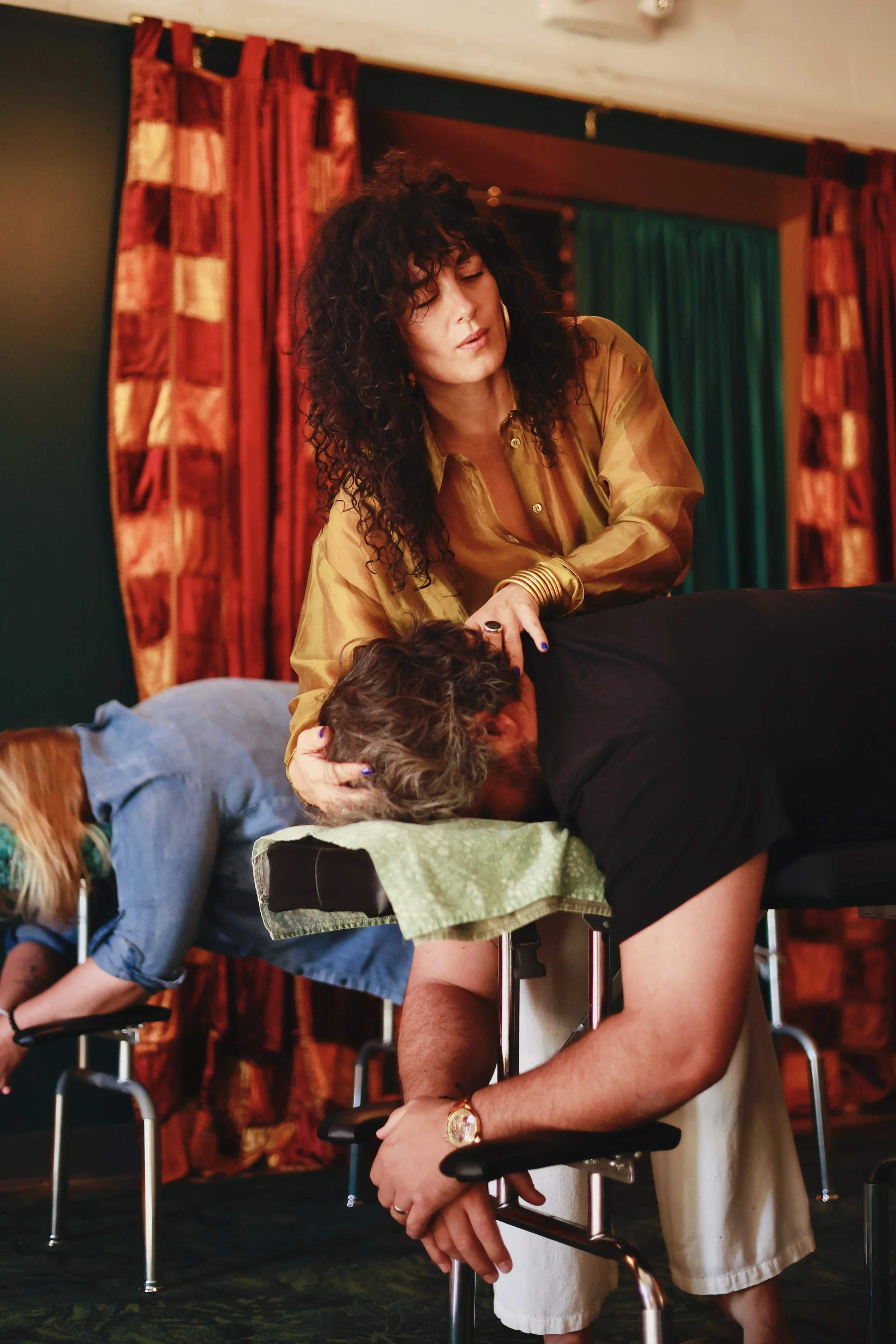
Three NetworkSpinal table sessions
Two Somato Respiratory Integration sessions
Time for reflection and integration
Vision board creation
Breakfast and lunch
Space to connect with yourself and others
The day is designed around the natural rhythm of Discover, Transform, and Awaken, giving you the opportunity to notice where you are, explore what you're ready to shift, and integrate what you're discovering along the way.
This isn't about cramming as much as possible into one day.
It's about giving yourself the time and space to actually experience the work.
What is NetworkSpinal?

If you've never experienced NetworkSpinal before, you may be wondering what exactly happens during a session.
NetworkSpinal is a gentle, precise form of chiropractic care that works with the nervous system through light contacts along the spine.
Rather than using the forceful adjustments many people associate with traditional chiropractic care, NetworkSpinal uses specific contacts to give the nervous system cues and information.
The intention is to help your body become more aware of tension and stress patterns and develop new ways of responding.
At IVY, we often describe the nervous system as the body's operating system.
It's constantly taking in information and responding to what's happening around you.
When you've been under stress for a long time, your body can develop patterns around that stress.
You may notice yourself holding tension in certain places.
You may have difficulty slowing down.
You may feel like you're constantly "on."
Or you may feel completely depleted.
NetworkSpinal gives us a way to work with the nervous system directly rather than simply asking you to push through those patterns.
How is an IVY NetworkSpinal chiropractor different from traditional chiropractic care?
This is one of the most common questions we get.
When many people hear the word "chiropractor," they picture an adjustment, a quick visit, and maybe a crack or pop.
That's not what NetworkSpinal looks like.
At IVY, the focus is on the relationship between the spine and the nervous system.
The contacts are gentle and precise rather than forceful.
You're not being asked to force your body into a position.
Instead, the work gives your nervous system an opportunity to notice what's happening and respond.
That's an important distinction.
The goal isn't simply to "fix" something.
It's to develop a greater awareness of your body and support its ability to adapt.
For someone searching for a NetworkSpinal chiropractor in Charleston SC, this can be a very different experience from what they may have expected from chiropractic care.
And honestly, that's often why people become so curious about it.
What happens during Immersion Day?

One of the most unique parts of Immersion Day is that you aren't coming in for one isolated experience.
You get to spend an entire day with the work.
Three NetworkSpinal sessions
You'll experience three individual NetworkSpinal table sessions throughout the day.
Each session gives you another opportunity to notice your body, your nervous system, and the patterns you're carrying.
The three sessions follow the themes of Discover, Transform, and Awaken, creating a progression throughout the day.
Two SRI sessions
You'll also participate in Somato Respiratory Integration, or SRI.
SRI combines focused breathing, movement, touch, and body awareness to help you connect more deeply with what you're experiencing.
It's another way of exploring your relationship with stress, tension, emotions, and your body.
Reflection and creativity
There is also intentional space to reflect on what you're experiencing.
During the Fall Edition, you'll create a vision board as part of the day.
This isn't about making the perfect vision board.
It's about giving yourself some space to ask:
What am I creating?
What do I want more of in my life?
What am I ready to let go of?
Sometimes you need to get out of your normal environment to see those questions differently.
Food and community
Breakfast and lunch are included, so you don't have to spend the day thinking about where you're going to grab food.
There's room to connect, talk, laugh, reflect, or simply be quiet.
You get to move through the day without rushing from one thing to the next.
Who is Immersion Day for?

You don't need to be an experienced NetworkSpinal practice member.
You don't need to know anything about nervous system regulation.
And you certainly don't need to have everything figured out.
Immersion Day may be a good fit if you've been feeling:
Overwhelmed by life
Stuck in old patterns
Disconnected from your body
Constantly stressed
Ready for a deeper reset
Curious about NetworkSpinal
Interested in nervous system work
Ready to spend intentional time with yourself
You might be someone who has been taking care of everyone else and hasn't given yourself much space lately.
You might be navigating a major transition.
You might simply feel like something needs to change, even if you can't quite explain what that is yet.
You don't have to arrive with a specific problem to solve.
You can simply come curious.
What does nervous system healing actually mean?
"Nervous system healing" can sound like a big concept.
At its core, we're talking about your body's ability to respond to stress and then return toward balance.
Stress is part of being human.
We don't want to eliminate stress from our lives.
That's impossible.
What we can explore is how we respond to it.
Are you able to slow down?
Can you recognize when you're overwhelmed?
Can you notice tension in your body before it becomes your normal?
Can you move through change without feeling like everything is falling apart?
Nervous system regulation is about building awareness and adaptability.
That's a big part of what we're exploring at IVY.
Why take an entire day for this?
Because most of us don't give ourselves an entire day.
We squeeze self care into an hour between meetings.
We try to meditate while answering emails.
We take a vacation and spend half of it checking our phones.
Immersion Day is different.
It's a decision to step away.
For one full day, you aren't responsible for everyone else.
You don't have to produce anything.
You don't have to perform.
You get to be present.
And sometimes that's where you finally notice what you've been carrying.
Immersion Day in Charleston SC
If you're searching for nervous system healing in Charleston or looking for a NetworkSpinal chiropractor in Charleston SC, Immersion Day offers an opportunity to experience IVY's approach in a much more comprehensive way.
You'll work with IVY's NetworkSpinal practitioners, including Dr. Kate, Dr. Emma, and Dr. Brandon. Each brings their own style and perspective while sharing the same intention of creating a supportive environment for nervous system work and personal exploration.
And because you're spending the day at IVY, there's time for the work to unfold instead of feeling rushed through a single session.
You don't have to wait until you're completely depleted
One of the biggest misconceptions about this kind of work is that you need to be at your breaking point before you deserve support.
You don't.
You don't have to be burned out.
You don't have to have a major life crisis.
You don't have to know exactly what's wrong.
Sometimes you simply know that the way you're living isn't sustainable.
That's enough.
Immersion Day gives you an opportunity to pause before your body has to force you to.
Frequently Asked Questions
Do I need to be an existing IVY practice member?
No. Immersion Day is open to everyone. You do not need to already receive care at IVY to participate.
What is NetworkSpinal?
NetworkSpinal is a gentle form of chiropractic care that uses specific light contacts along the spine to work with the nervous system and support greater body awareness and adaptability.
Is NetworkSpinal the same as traditional chiropractic care?
Not quite. While both involve the spine, NetworkSpinal uses gentle contacts rather than the forceful adjustments many people associate with traditional chiropractic care. The emphasis is on working with the nervous system and the body's patterns of tension and adaptation.
What is SRI?
Somato Respiratory Integration, or SRI, is a guided practice using breath, movement, touch, and awareness to help you connect with your body and explore how you experience stress and emotion.
What should I bring?
Comfortable clothing, a water bottle, and a journal if you'd like one. IVY provides the materials for the vision board.
Is food included?
Yes. Breakfast and lunch are included with the Immersion Day experience.
Do I have to know anything about nervous system work beforehand?
Not at all. You can come exactly as you are. The day is designed to introduce you to the work and give you space to experience it for yourself.
Give Yourself a Day at IVY
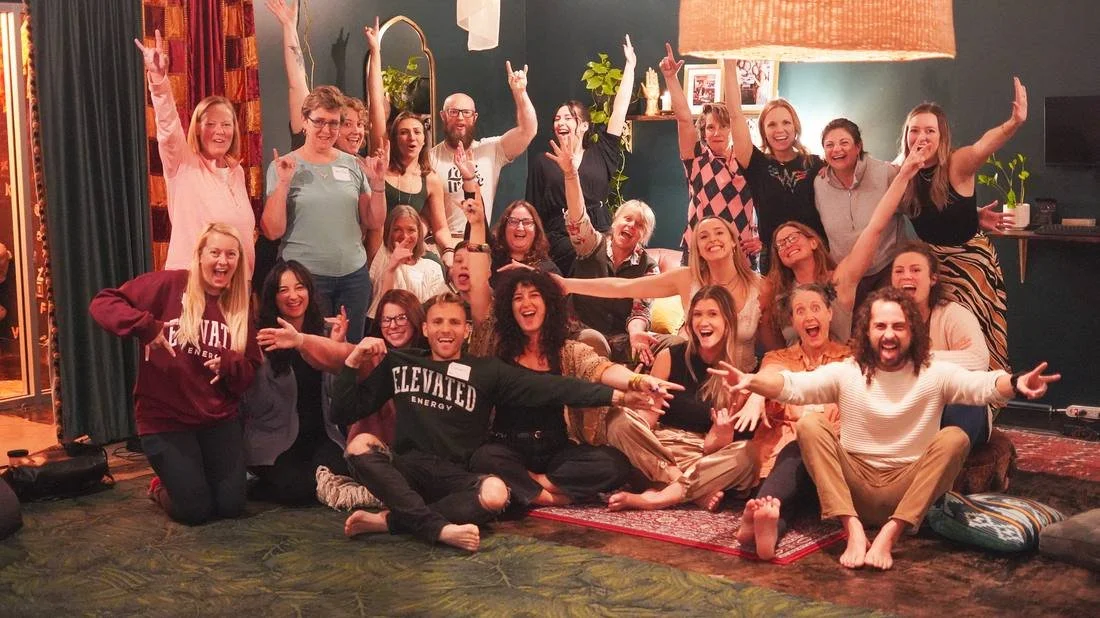
You spend so much of your life taking care of everything else.
Your work.
Your family.
Your responsibilities.
Your relationships.
Immersion Day is a chance to put yourself back on the list.
Not because you need to become a different person.
But because there may be another way to experience your life, your body, and your relationship with stress.
Immersion Day: Fall Edition
Saturday, September 19, 2026
8:30 AM to 5:30 PM
IVY Energetic Studio | Mount Pleasant, Charleston SC
If you've been curious about NetworkSpinal, nervous system regulation, or simply want to spend a full day reconnecting with yourself, we'd love to have you with us.
The 12 Stages of Healing Book Club: A Different Kind of Conversation About Healing
Healing doesn't always begin with an appointment.
Sometimes it begins with a conversation.
Sometimes it begins with a single idea that changes the way you see yourself, your body, and what's possible.
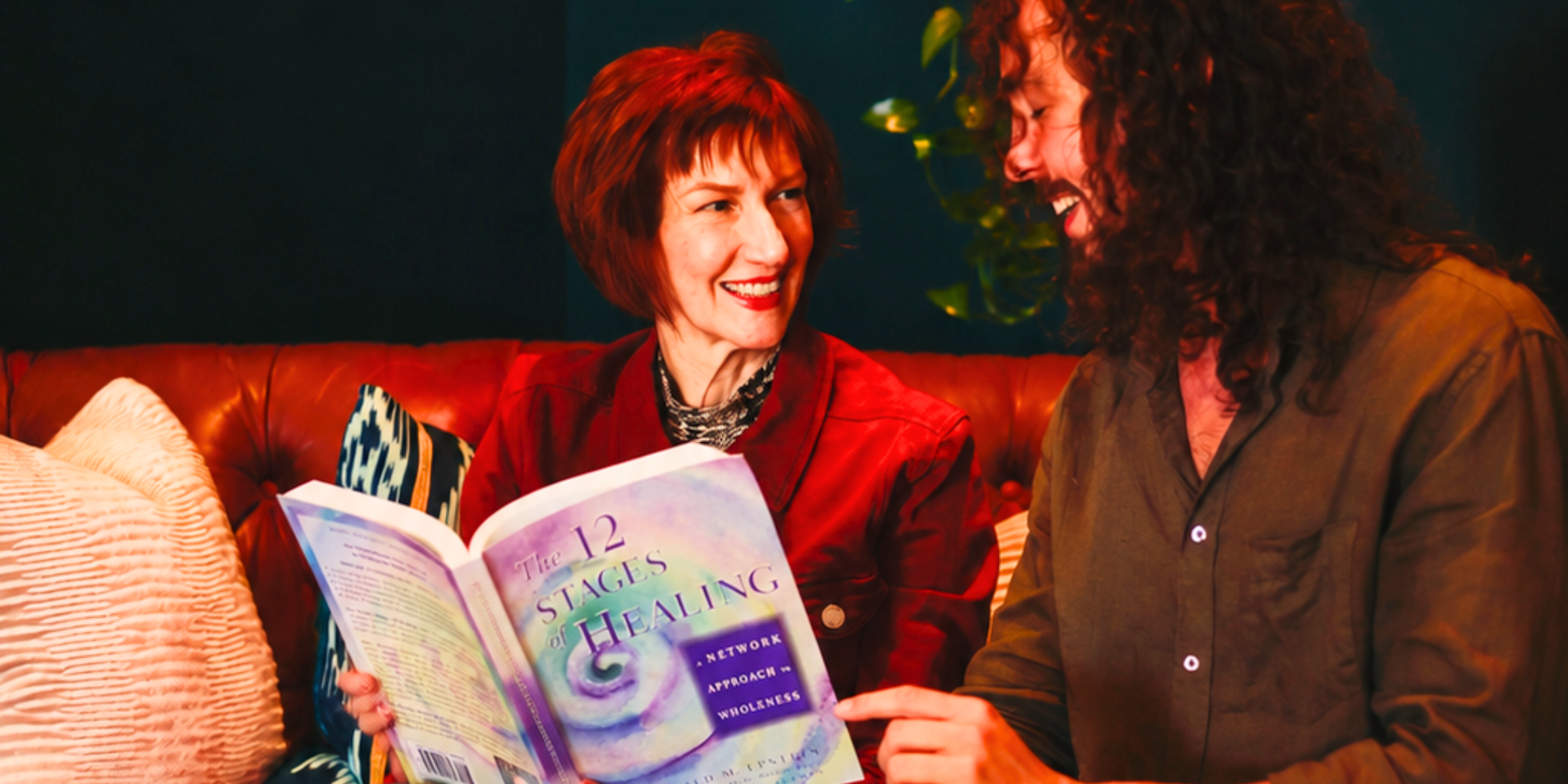
That's exactly what The 12 Stages of Healing Book Club is about.
Beginning Wednesday, August 5, IVY Energetic Studio is inviting our Charleston community to come together once a month to explore The 12 Stages of Healing in a supportive, welcoming environment. Whether you've been part of the IVY community for years or you're simply curious about a different way of looking at healing, this book club is an opportunity to slow down, reflect, and connect with others who are asking many of the same questions.
Healing is more than feeling better
When most people think about healing, they think about getting rid of symptoms.
But healing can also be about changing your relationship with your body.
It's about becoming more aware of how you respond to stress.
It's about understanding your nervous system.
It's about recognizing patterns that may have been keeping you stuck.
For many people, that shift opens the door to a completely different experience of life.
Why the nervous system matters
At IVY, we often talk about the nervous system because it influences so much of how we experience the world.
It affects how we respond to stress.
How we recover from challenges.
How connected we feel to ourselves.
When life feels overwhelming, it's easy to think something is wrong with us.
But often, our bodies are simply adapting to everything they've been carrying.
Whether you're navigating chronic stress, burnout, autoimmune disease, persistent pain, anxiety, or simply feeling overwhelmed, understanding the nervous system can offer a new perspective.
This is also why so many people who explore NetworkSpinal become interested in learning more about how the body, mind, and nervous system work together.
A space for curiosity, not perfection
One of the things people love most about the IVY Book Club is that you don't have to have all the answers.
You don't have to be an expert.
You don't even have to be "healed."
You simply come as you are.
Each month we'll explore the ideas from The 12 Stages of Healing, share reflections, ask questions, and learn from one another.
It's a chance to slow down, think differently, and discover new ways of supporting your own healing journey.
A community that understands
Healing can feel lonely.
Many people carry stress silently.
Parents are caring for everyone else before themselves.
Moms often spend so much energy supporting their families that they forget to care for themselves.
Others are navigating chronic pain, autoimmune disease, fatigue, or simply feeling like they've been stuck in survival mode for too long.
This book club creates space to pause.
To connect.
To remember that you don't have to figure everything out on your own.
There's something powerful about sitting in a room with people who understand what it feels like to be searching for something more.
Join us for The 12 Stages of Healing Book Club
If you're ready to explore healing from a new perspective, we'd love to have you join us.
The 12 Stages of Healing Book Club
📅 First Wednesday of the Month
August 5 through October 7
🕡 6:30 PM
📍 IVY Energetic Studio | Mount Pleasant, Charleston, SC
Whether you're already part of the IVY community or this is your first visit, you're welcome here.
Reserve your seat here:
**https://www.eventbrite.com/e/1990797749660?aff=oddtdtcreator
Healing happens one step at a time
Every healing journey is different.
Sometimes the biggest transformation doesn't begin with doing more.
It begins with seeing yourself, your body, and your experiences through a different lens.
If you've been looking for meaningful conversations, a supportive community, and a place to explore healing alongside others, we hope you'll join us for The 12 Stages of Healing Book Club.
We can't wait to welcome you.
What Is NetworkSpinal? A Different Way of Thinking About Healing

If you've ever heard someone talk about NetworkSpinal and thought, "What exactly is it?" you're not alone.
It's one of the questions we hear most often at IVY.
People come in expecting it to be like traditional chiropractic care. Others think it's massage or physical therapy. The truth is, it's something entirely different.
NetworkSpinal is a gentle, nervous system focused approach that helps your body become more aware, more adaptable, and more connected to its own ability to heal.
For many people, it's unlike anything they've experienced before.
It starts with your nervous system
Your nervous system is constantly taking in information from the world around you.
It responds to stress.
It helps you recover.
It influences how you move, how you sleep, how you handle challenges, and how connected you feel to your own body.
When stress builds over time, your nervous system can get stuck in patterns of protection.
You might notice that as:
Feeling constantly overwhelmed
Chronic fatigue or exhaustion
Anxiety that never fully settles
Difficulty relaxing
Feeling disconnected from yourself
These aren't signs that your body is broken.
They're signs that your body has been working hard to adapt.
So what happens during NetworkSpinal?
One of the biggest surprises for first time visitors is how gentle it is.
NetworkSpinal uses precise, light contacts along the spine to support communication within the nervous system.
There's no forceful manipulation.
Instead, the goal is to help your body recognize and release patterns of stress that may no longer be serving you.
As your nervous system becomes more adaptable, many people notice changes like:
Feeling calmer and more present
Sleeping more deeply
Having more consistent energy
Feeling less reactive to everyday stress
Experiencing a greater sense of connection with themselves
Every person's experience is different because every nervous system is different.
Why people choose NetworkSpinal
Many of the people who walk through our doors aren't looking for another quick fix.
They're looking for a different way to understand what's happening in their body.
They've spent years managing stress, pushing through fatigue, or feeling like they're constantly in survival mode.
NetworkSpinal offers an opportunity to work with the nervous system rather than simply trying to push through the symptoms.
It's about creating more capacity, more resilience, and a greater sense of ease in your body.
Curious? Come experience it for yourself.
Sometimes the best way to understand NetworkSpinal isn't by reading about it.
It's by experiencing it.
That's why we're hosting a NetworkSpinal Demo & Q&A, where you'll learn more about how this work supports the nervous system, see a live demonstration, and have the opportunity to ask questions in a relaxed, welcoming environment.
NetworkSpinal Demo & Q&A
📅 Wednesday, July 29, 2026
🕡 6:30 PM
📍 IVY Energetic Studio, Mount Pleasant, SC
Whether you're curious about nervous system healing, wondering if NetworkSpinal is right for you, or simply want to learn something new, we'd love to have you join us.
Reserve your spot here:
https://www.eventbrite.com/e/1992075935749?aff=oddtdtcreator
A different conversation about healing
At IVY, we believe healing isn't about forcing your body to change.
It's about helping your body remember what it's already capable of.
When your nervous system has the opportunity to become more regulated, your experience of stress, energy, and everyday life can begin to shift in meaningful ways.
If you've been wondering whether NetworkSpinal could be part of your journey, this is a great place to start.
We hope to see you on Wednesday, July 29.
Why You're Tired Even After Sleeping
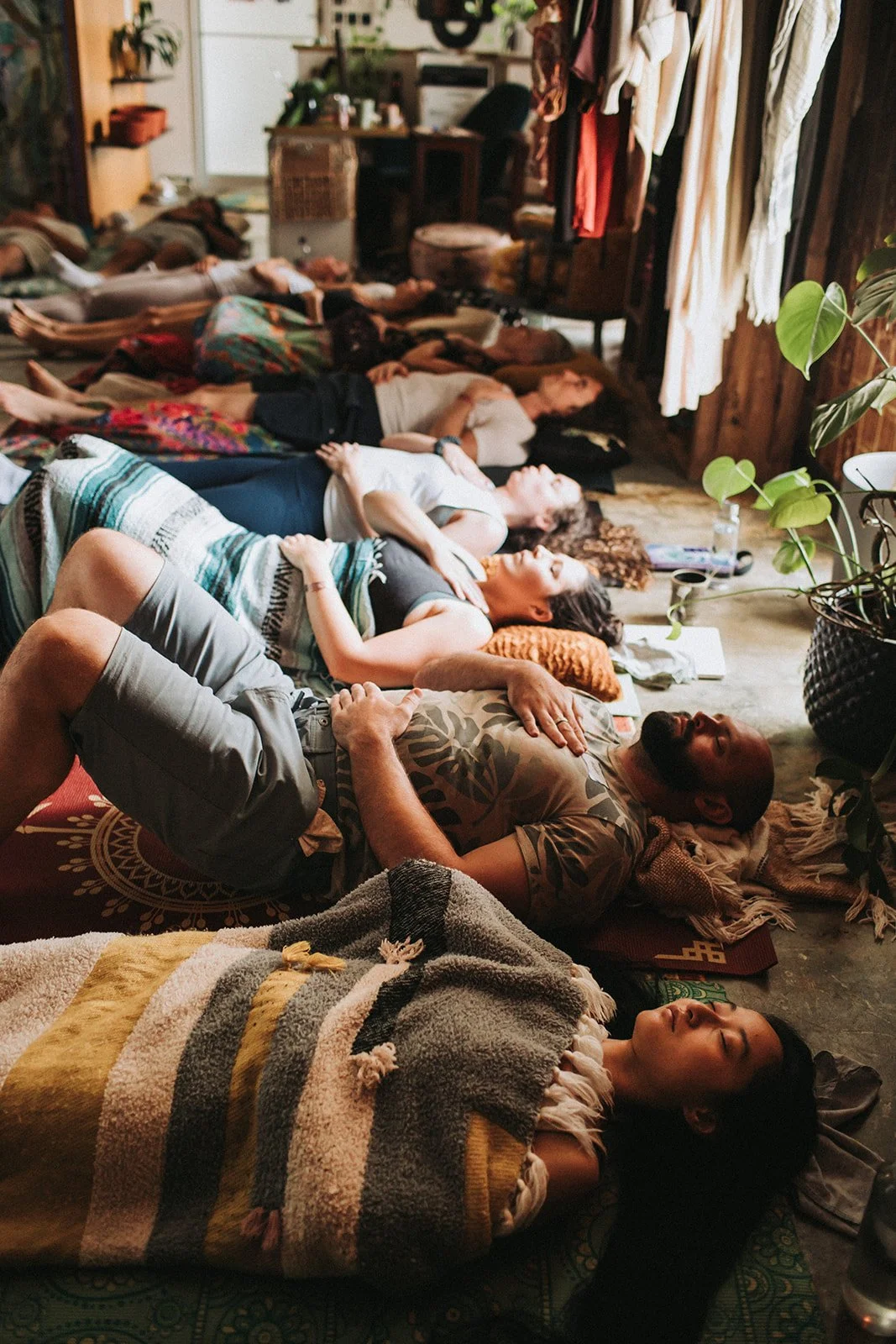
You got the sleep. So why are you still exhausted?
Have you ever woken up after eight hours of sleep... and still felt like you could go right back to bed?
It's frustrating.
You did what your body was supposed to need.
But instead of feeling refreshed, you still feel drained.
Many people assume they're simply not sleeping enough.
But sometimes the issue isn't how long you're sleeping.
It's how your nervous system is functioning.
Sleep and rest aren't always the same thing
Sleep is important.
But restorative rest depends on more than the number of hours you spend in bed.
If your nervous system is constantly responding to stress, your body may never fully shift into the kind of deep restoration it needs.
That can leave you feeling:
Exhausted in the morning
Foggy throughout the day
Dependent on caffeine
Emotionally depleted
Physically heavy
Even after what seemed like a full night's sleep.
Chronic stress changes how the body recovers
When your nervous system spends too much time in survival mode, your body has a harder time recovering.
Instead of restoring energy, it's staying alert.
Instead of relaxing, it's preparing for the next stressor.
Over time, this can contribute to:
Burnout
Chronic fatigue
Anxiety
Difficulty concentrating
Feeling overwhelmed
Your body isn't choosing to feel this way.
It's responding to the patterns it has learned.
Helping your body find balance again
Healing isn't about forcing yourself to have more energy.
It's about creating the conditions where your body can naturally recover.
NetworkSpinal supports the nervous system by helping the body release stress patterns and build greater resilience.
As regulation improves, many people notice:
More consistent energy
Better quality sleep
Improved focus
Feeling calmer throughout the day
Greater overall well being
These changes often happen gradually as the nervous system becomes more adaptable.
More people in Charleston are asking a different question
Instead of asking, "Why am I so tired?"
Many people in Charleston are starting to ask:
"What does my nervous system need?"
That shift in perspective can completely change the healing journey.
Because energy isn't just about sleep.
It's about how your body is functioning as a whole.
Your body isn't working against you
If you're constantly tired, your body isn't being lazy.
It's communicating.
And when you begin listening to those signals differently, healing can begin from a much deeper place.
Ready to take the next step?
If you're in Charleston and experiencing this, IVY Energetic Studio offers nervous system-based sessions designed to help your body regulate, heal, and come back into balance.
Lyme Disease Recovery Support in Charleston
Healing from Lyme can feel like an uphill battle
If you've been living with Lyme disease, you know it's about so much more than feeling sick.
Some days you're exhausted before the day even begins.
Your body feels unpredictable. Your energy comes and goes. Even simple tasks can feel overwhelming.
Many people also experience brain fog, heightened stress, anxiety, or the feeling that their body just isn't bouncing back the way it used to.
If this sounds familiar, you're not alone.
At IVY, we've met many people whose healing journey has left them feeling discouraged because they've been searching for answers for a long time.
Your body has been through a lot
Lyme disease can place an incredible amount of stress on the body.
When your body has been dealing with ongoing challenges, your nervous system is often working overtime as well.
It stays focused on protecting you.
Over time, that can contribute to:
Chronic fatigue
Feeling constantly overwhelmed
Difficulty sleeping
Increased sensitivity to stress
Feeling disconnected from your body
Your body isn't failing.
It's adapting the best way it knows how.
Why the nervous system matters
Your nervous system influences nearly every function in your body.
When it's overwhelmed, it can become harder for your body to shift into a state where healing and restoration are supported.
That doesn't mean the nervous system is the only piece of the puzzle.
But it is an important one.
Supporting nervous system regulation may help your body become more resilient, better able to adapt to stress, and more connected to its natural healing processes.
A different approach to healing
At IVY Energetic Studio, we believe healing is about supporting the whole person.
That includes your body, your nervous system, your emotional well being, and your ability to reconnect with yourself.
NetworkSpinal is a gentle, nervous system focused approach that helps the body release stored stress patterns and build greater adaptability.
Every person's experience is unique, but many people describe feeling:
More grounded
More connected to their body
Better able to manage stress
More hopeful about their healing journey
Healing doesn't always happen in a straight line.
Sometimes it begins with helping the body feel safe enough to heal.
You don't have to carry this alone
Living with Lyme disease can feel isolating.
But you don't have to navigate it by yourself.
If you're looking for a space that honors your experience and supports your body from a nervous system perspective, there are options.
More people throughout Charleston are discovering the value of caring for the nervous system as part of their overall wellness journey.
Healing is still possible
Your story isn't over.
No matter where you are in your journey, your body deserves compassion, support, and the opportunity to move toward greater balance.
Sometimes healing begins with a different conversation.
Sometimes it begins with feeling truly seen.
Ready to take the next step?
If you're in Charleston and experiencing this, IVY Energetic Studio offers nervous system-based sessions designed to help your body regulate, heal, and come back into balance.
How Stress Lives in the Body (And How to Release It)
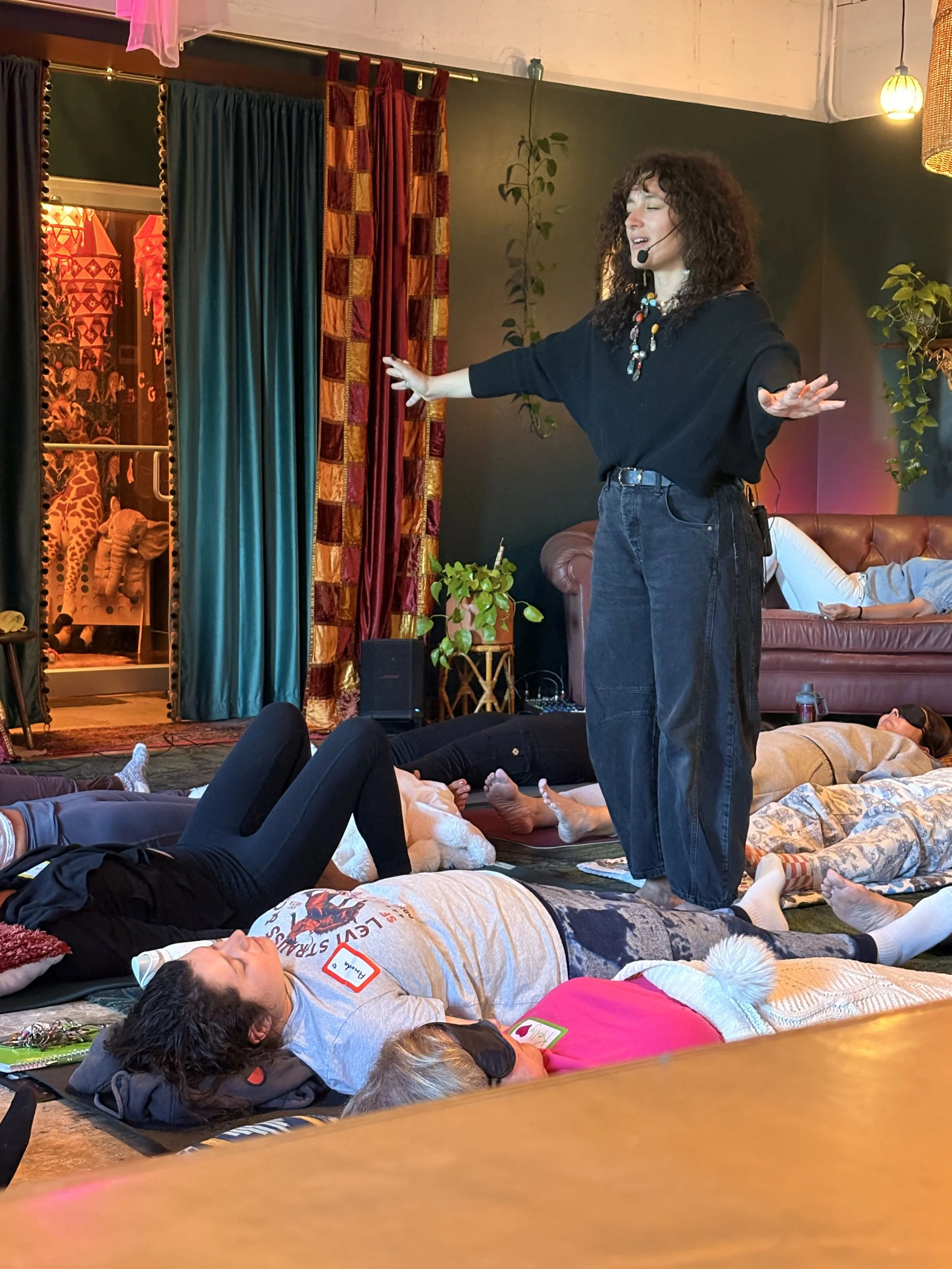
Your body remembers stress
Even when your mind tries to move on, your body can still carry the experience.
That’s why stress is not just emotional.
It becomes physical too.
You may notice:
Tight shoulders
Jaw tension
Exhaustion
Anxiety
Digestive issues
Feeling constantly on edge
Over time, these patterns become so normal that many people stop noticing how much tension they’re holding.
Stress changes the nervous system
Your nervous system is designed to protect you.
When stress happens, your body shifts into survival mode to help keep you safe.
The problem is that chronic stress keeps the body stuck there.
Instead of returning to balance, your system stays activated.
That ongoing activation affects:
Sleep
Energy
Mood
Focus
Immune function
Emotional regulation
Which is why stress can impact your entire body, not just your thoughts.
Why stress gets trapped physically
When the body does not fully process stress, it gets stored in patterns of tension and protection.
This can look like:
Holding your breath without realizing it
Feeling unable to relax
Constant muscle tightness
Feeling emotionally overwhelmed
Chronic fatigue and burnout
Your body adapts to stress in order to survive.
But eventually those adaptations become exhausting.
The body needs more than mental coping
Many people try to think their way out of stress.
But healing often needs to happen through the body too.
This is where nervous system work becomes important.
Approaches like somatic healing and NetworkSpinal help your body release stored stress patterns gently and naturally.
Instead of forcing relaxation, they help your system learn safety again.
What people often notice as their system regulates
As the nervous system begins shifting out of survival mode, people often notice:
Better sleep
More energy
Less anxiety
Feeling calmer in their body
Less physical tension
Improved emotional balance
Healing usually happens gradually.
But even small shifts can completely change how life feels.
Why this matters in Charleston
In Charleston, many people are carrying stress far longer than they realize.
They stay busy.
They keep functioning.
They keep pushing through exhaustion.
But eventually the body asks for something deeper than temporary relief.
It asks for regulation.
Support.
Healing.
Your body is capable of healing
Your symptoms are not proof that your body is failing.
They’re signs that your nervous system has been carrying too much for too long.
And when you begin supporting your body differently, things can start to change in ways that feel surprisingly natural.
Ready to take the next step?
If you’re in Charleston and experiencing this, IVY Energetic Studio offers nervous system-based sessions designed to help your body regulate, heal, and come back into balance.
Burnout Recovery in Charleston, SC (What Actually Works)

Burnout is more than being tired
Burnout changes how your entire body feels.
Simple tasks feel overwhelming.
Rest doesn’t fully help.
Your patience gets shorter.
Your energy disappears faster than it used to.
And eventually, your body starts feeling like it’s constantly running on empty.
A lot of people in Charleston are living this way without realizing how deeply stress has impacted their nervous system.
Burnout happens when stress never fully turns off
Your nervous system is built to handle stress in short periods.
But when stress becomes nonstop, your body stops getting the chance to fully recover.
Over time, this creates:
Exhaustion
Anxiety
Brain fog
Emotional overwhelm
Chronic fatigue
Feeling disconnected from yourself
At some point, pushing through stops working.
Your body begins asking for something different.
Why rest alone often isn’t enough
A lot of people think burnout recovery is just about taking time off.
Rest matters.
But nervous system regulation matters too.
Because if your body still feels unsafe internally, your stress response stays active even while resting.
That’s why many people still feel:
Tired after sleeping
Mentally overwhelmed
Physically tense
Unable to fully relax
The body needs help shifting out of survival mode.
What actually helps burnout recovery
Healing burnout starts with supporting the nervous system.
Approaches like somatic healing and NetworkSpinal help your body release stress patterns instead of simply coping with them.
As the nervous system begins regulating, people often notice:
More steady energy
Better sleep
Less anxiety
Improved emotional balance
Feeling calmer in daily life
Not because they became less busy.
Because their body stopped carrying stress the same way.
You were never meant to live in constant survival mode
Many people normalize stress because they’ve lived with it for so long.
But your body was not designed to stay overwhelmed all the time.
Healing is not about becoming perfectly stress free.
It’s about helping your system become more resilient and regulated.
More people in Charleston are prioritizing nervous system health
In Charleston, more people are beginning to realize that burnout is not just emotional.
It’s physiological.
And when you support the nervous system directly, healing can happen in a much deeper way.
You deserve to feel like yourself again
Not just functional.
Not just surviving.
Actually present.
Actually energized.
Actually connected to your life again.
That’s possible when your body finally has the support it’s been asking for.
Ready to take the next step?
If you’re in Charleston and experiencing this, IVY Energetic Studio offers nervous system-based sessions designed to help your body regulate, heal, and come back into balance.
Best Holistic Healing in Charleston SC

More people are looking for healing that feels deeper
A lot of people are exhausted from chasing symptoms.
They’ve tried the appointments.
The supplements.
The routines that were supposed to help.
But underneath it all, they still don’t feel like themselves.
The fatigue is still there.
The anxiety still shows up in the body.
The overwhelm never fully leaves.
That’s why more people in Charleston are starting to look at healing differently.
Not just symptom management.
Real healing.
Holistic healing looks at the whole person
Your body is not separate from your emotions, stress, or nervous system.
Everything is connected.
When the nervous system becomes overwhelmed, the effects show up everywhere:
Chronic fatigue
Burnout
Anxiety
Difficulty sleeping
Feeling disconnected from yourself
Physical tension that won’t fully release
Holistic healing focuses on the entire system instead of isolating symptoms.
Because healing happens more deeply when the body is supported as a whole.
The nervous system changes everything
One of the biggest missing pieces for many people is nervous system health.
Your nervous system controls how your body responds to stress and whether it feels safe enough to heal.
When the body stays stuck in survival mode for too long, recovery becomes harder.
You may notice:
Exhaustion that rest doesn’t fix
Feeling constantly overwhelmed
Brain fog
Anxiety that stays in the body
Difficulty relaxing even during downtime
This is why nervous system based approaches are becoming such an important part of holistic healing.
Why people are turning to NetworkSpinal
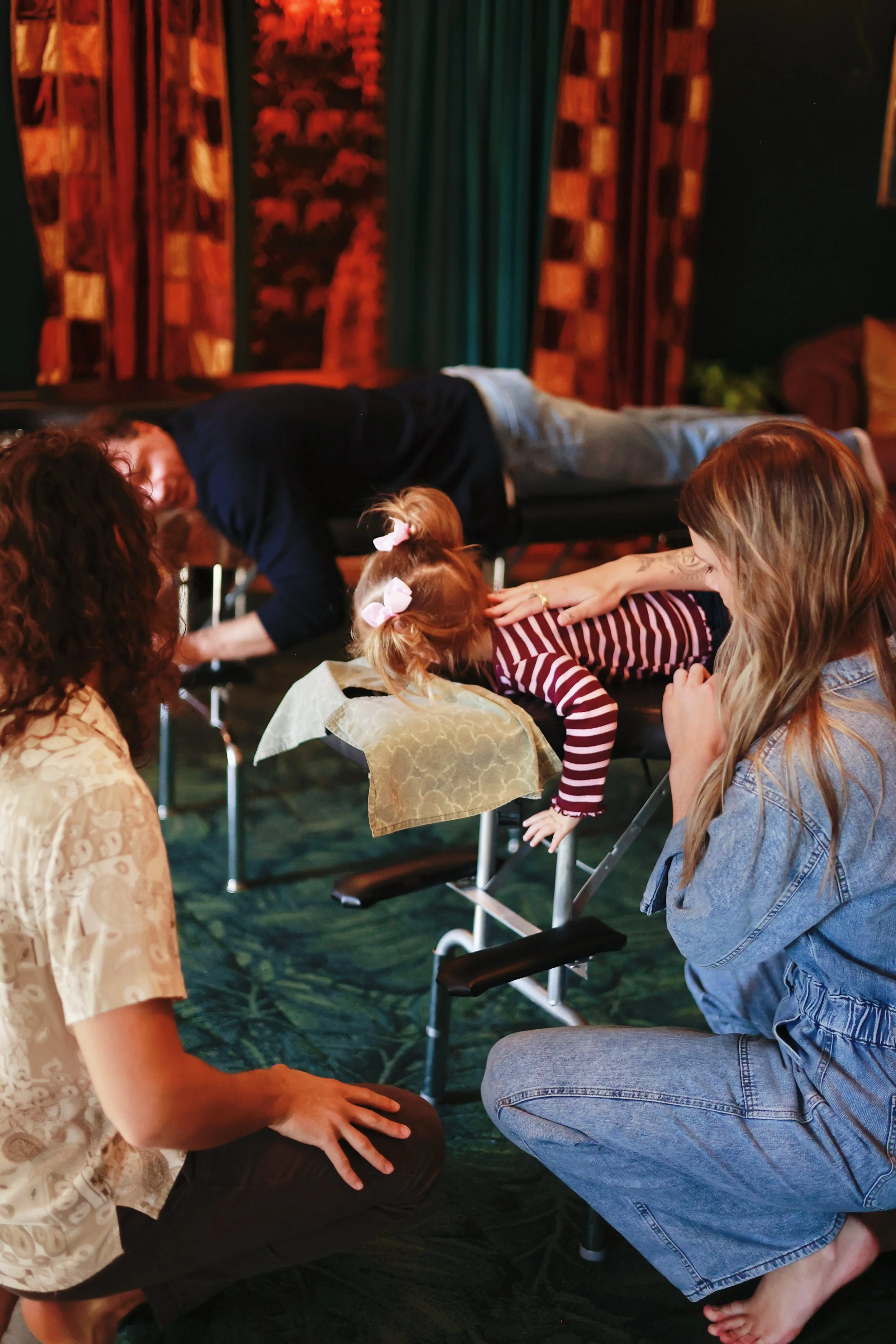
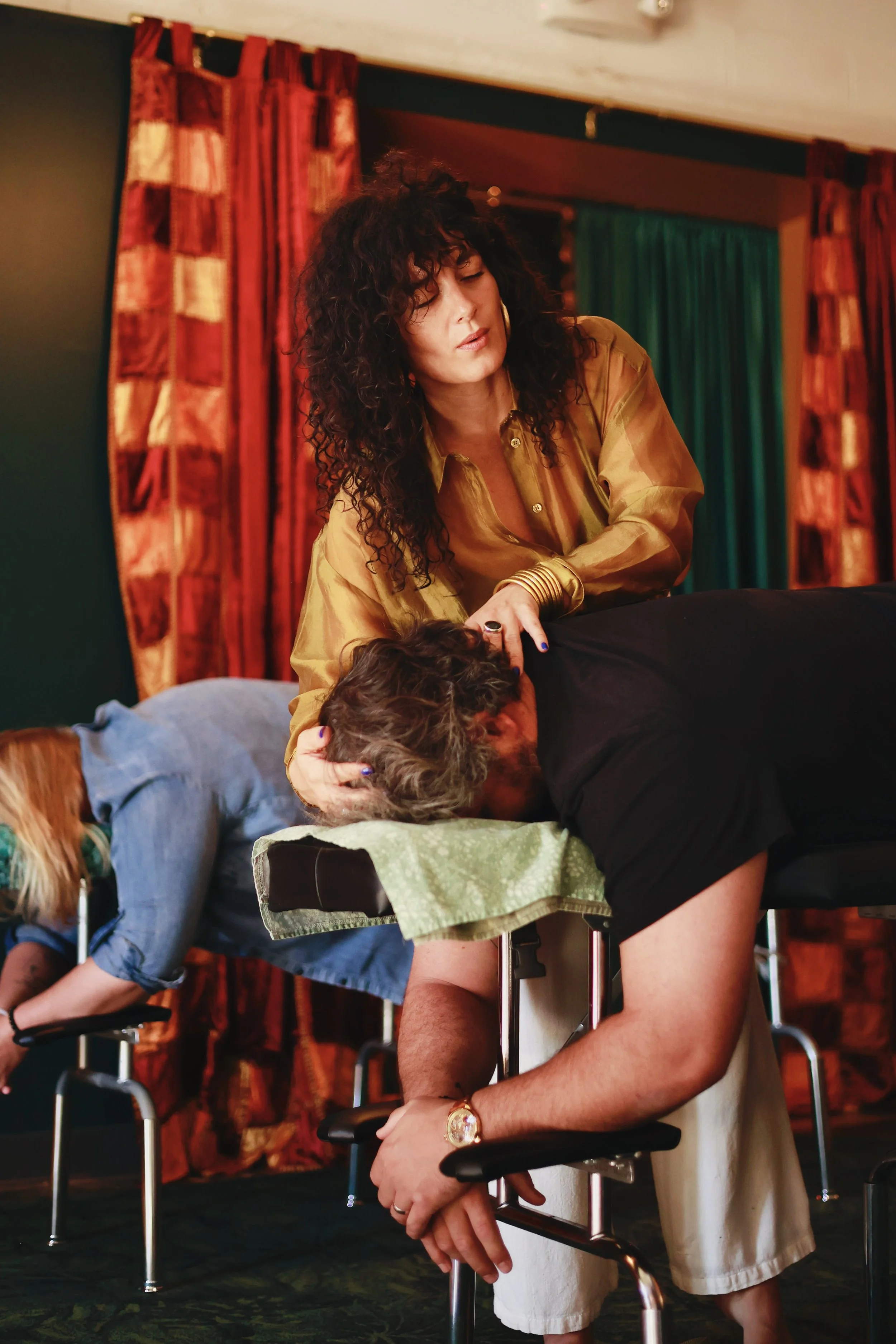
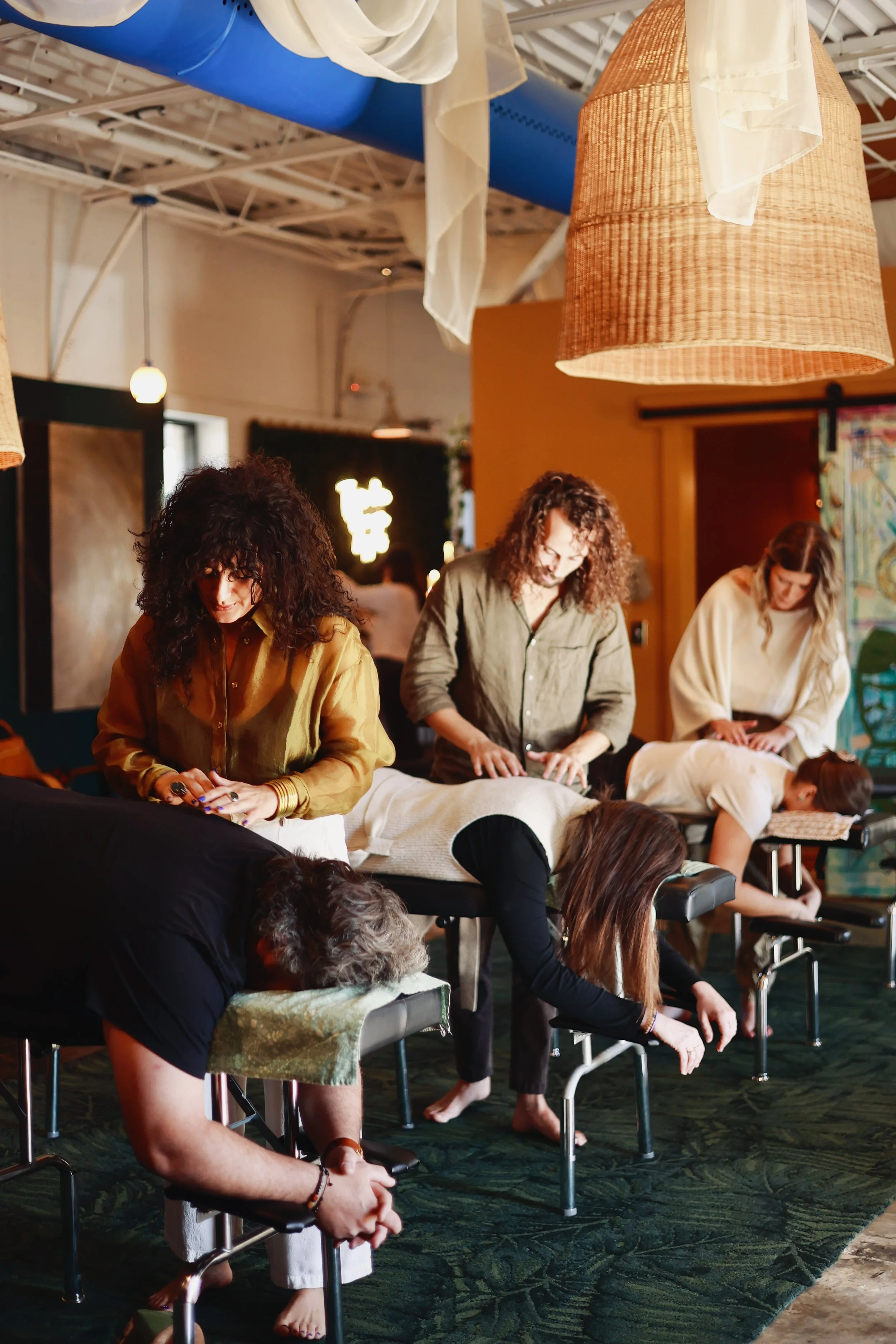
NetworkSpinal works directly with the nervous system through gentle contacts along the spine.
Instead of forcing the body, it helps the system release stress patterns naturally.
Many people notice:
More calm in their body
Better energy
Improved sleep
Reduced anxiety
Feeling more connected to themselves
Not because they pushed harder.
Because their body finally had support.
Healing is not about fixing yourself
A lot of people think healing means becoming someone different.
But healing is often about returning to yourself.
Returning to a body that feels:
Safer
More grounded
More regulated
More capable of rest and recovery
And when your nervous system shifts, everything else begins to feel different too.
Charleston is shifting the way it looks at wellness
In Charleston, more people are looking for wellness approaches that feel more connected, intentional, and body based.
People want more than temporary relief.
They want to actually feel better in their life again.
That’s the difference nervous system healing can make.
Ready to take the next step?
If you’re in Charleston and experiencing this, IVY Energetic Studio offers nervous system-based sessions designed to help your body regulate, heal, and come back into balance.
Why You Feel Constantly Overwhelmed
It feels like your body can’t keep up anymore
Even small things feel heavy lately.
Your schedule.
Your notifications.
Simple decisions.
Basic responsibilities.
Things that used to feel manageable now feel exhausting.
And underneath it all, there’s this constant pressure in your body that never fully leaves.
A lot of people describe it as:
Feeling emotionally maxed out
Mentally exhausted
Unable to fully relax
If that sounds familiar, your nervous system may be overloaded.
Overwhelm is not just emotional
Most people think overwhelm is something happening only in the mind.
But overwhelm is deeply physical too.
When your nervous system experiences chronic stress, your body stays in a heightened state of alertness.
Your system keeps scanning for what’s next.
What needs your attention.
What could go wrong.
Over time, that constant activation drains your energy and creates exhaustion.
The body was never meant to live this way
Your nervous system is built to handle stress in short periods.
But many people today live under nonstop stimulation.
Work.
Pressure.
Responsibilities.
Emotional stress.
Constant input from phones and screens.
Eventually the body stops feeling safe enough to fully rest.
That can show up as:
Anxiety
Burnout
Chronic fatigue
Brain fog
Emotional exhaustion
Difficulty sleeping
And many people stay stuck in that cycle for years.
Why slowing down feels uncomfortable
This confuses a lot of people.
They know they need rest, but when they try to slow down, they feel restless or uncomfortable.
That’s because the nervous system has adapted to stress.
Stillness can feel unfamiliar to a body that has spent years surviving.
Your body isn’t trying to make things difficult.
It’s trying to stay protected.
Healing overwhelm starts in the nervous system
This is why nervous system regulation matters so much.
Approaches like somatic healing and NetworkSpinal help your body shift out of survival mode.
As your system becomes more regulated, many people notice:
More emotional capacity
Better energy
Less reactivity
A calmer mind
Feeling more grounded in daily life
Not because life became stress free.
Because their body stopped carrying stress the same way.
More people in Charleston are feeling this
In Charleston, so many people are functioning while quietly overwhelmed underneath it all.
They keep going because they have to.
But eventually the body asks for something different.
Not more pressure.
Not more pushing.
Support.
Regulation.
Healing.
You don’t have to stay in survival mode forever
Your body is capable of feeling calm again.
Not numb.
Not shut down.
Actually steady.
Actually grounded.
Actually safe.
And when your nervous system begins to heal, life starts feeling different in ways you didn’t think were possible.
Ready to take the next step?
If you’re in Charleston and experiencing this, IVY Energetic Studio offers nervous system-based sessions designed to help your body regulate, heal, and come back into balance.
Signs Your Nervous System Is Dysregulated (And What To Do)

Your body may be carrying more stress than you realize
Sometimes stress becomes so normal that you stop noticing how much your body is holding.
You keep functioning.
You keep showing up.
You keep pushing through.
Until eventually your body starts speaking louder.
Maybe it looks like:
Constant exhaustion
Anxiety that won’t fully settle
Trouble sleeping
Feeling emotionally reactive
Brain fog
Tightness in your chest or shoulders
A lot of people assume this is just part of being busy.
But many times, these are signs of nervous system dysregulation.
What nervous system dysregulation actually means
Your nervous system controls how your body responds to stress and safety.
When your system experiences stress for long periods of time, it can get stuck in survival patterns.
For some people, that looks like:
Constant anxiety
Racing thoughts
Feeling on edge all the time
For others, it looks more like shutdown:
Chronic fatigue
Burnout
Feeling numb or disconnected
Low motivation and exhaustion
Both are signs that your body has been carrying too much stress for too long.
Your symptoms are not random
A dysregulated nervous system can affect nearly every part of your body.
You might notice:
Feeling tired even after sleeping
Overwhelm from small tasks
Difficulty relaxing
Digestive issues during stress
Feeling stuck in fight or flight
Chronic tension in the body
This is because your nervous system impacts:
Energy
Sleep
Hormones
Immune function
Emotional regulation
When the body stays in survival mode, healing becomes harder.
Why your body stays stuck
Your nervous system is designed to protect you.
If your body learned it always needs to stay alert, it won’t automatically relax just because the stressful moment is over.
That’s why temporary rest doesn’t always create lasting change.
Your body needs support learning how to feel safe again.
Healing starts with regulation
This is where nervous system healing becomes important.
Approaches like somatic healing and NetworkSpinal help support the body directly instead of only managing symptoms.
The goal is not to force relaxation.
It’s to help your body release stress patterns naturally and build more regulation over time.
As the nervous system changes, many people notice:
More energy
Better sleep
Less anxiety
Feeling calmer in their body
More emotional steadiness
Healing often happens gradually, but those shifts can completely change how daily life feels.
More people in Charleston are paying attention to this
In Charleston, more people are realizing that stress affects far more than mood.
It impacts the entire body.
And instead of only treating symptoms, they’re starting to support the nervous system itself.
That’s where deeper healing can begin.
Your body is communicating with you
Your symptoms are not your body failing.
They are communication.
And when you begin listening to your nervous system differently, healing becomes possible in a completely new way.
Ready to take the next step?
If you’re in Charleston and experiencing this, IVY Energetic Studio offers nervous system-based sessions designed to help your body regulate, heal, and come back into balance.
What to Expect at IVY Energetic Studio
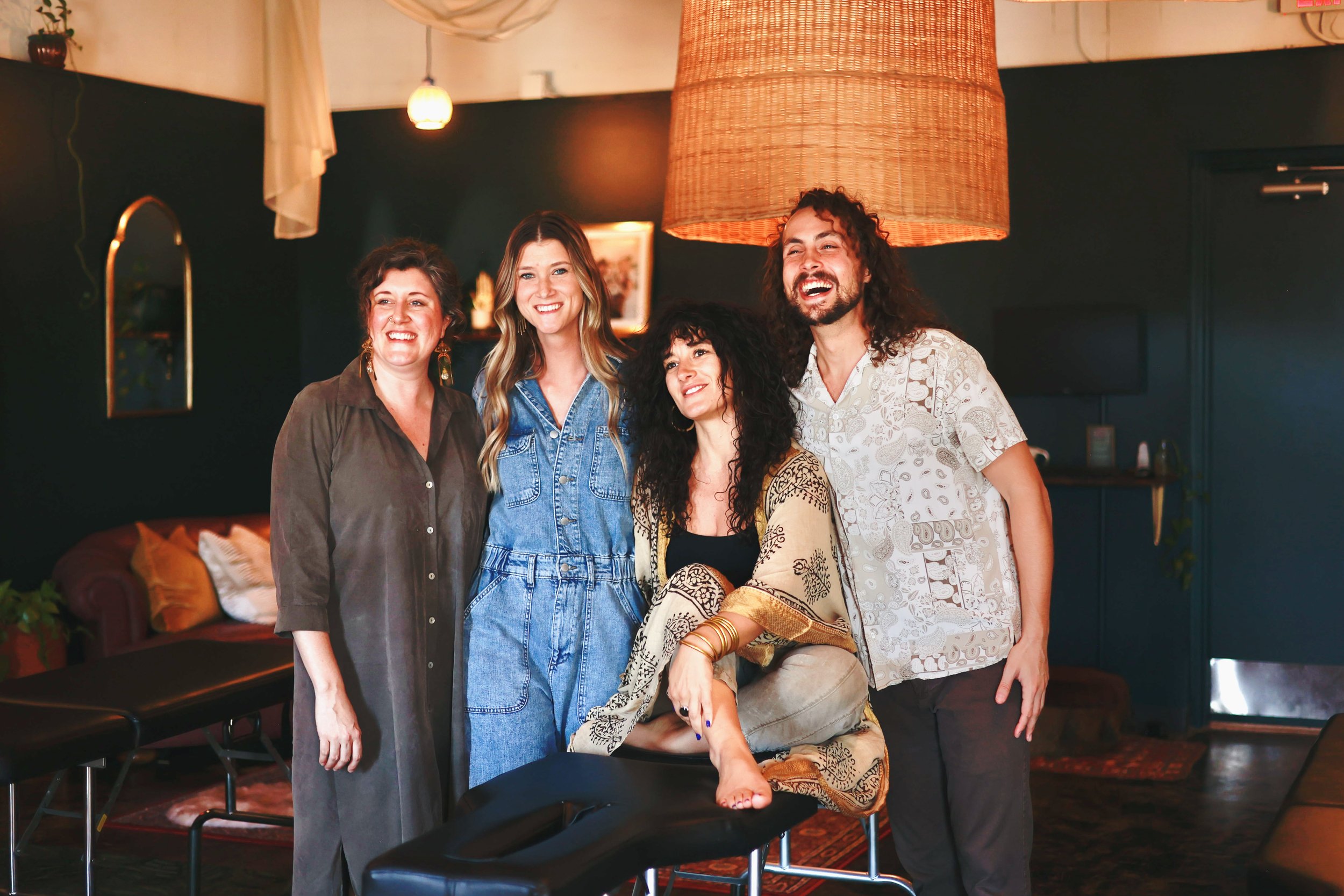
Walking into IVY feels different
A lot of people arrive at IVY exhausted.
They’ve been carrying stress for a long time. They feel disconnected from their body. And they’re often used to being in environments that feel rushed, clinical, or overwhelming.
So one of the first things people notice at IVY is this:
Their body starts to exhale.
The space feels calm. Grounded. Safe.
And for many people, that feeling alone is emotional because they realize how long it’s been since their nervous system actually relaxed.
This is not a typical wellness experience
At IVY, the focus is not just symptoms.
It’s about understanding how stress has been affecting your nervous system and supporting your body in a deeper way.
A lot of people coming in are dealing with:
Burnout
Anxiety
Chronic fatigue
Feeling overwhelmed
Chronic stress
Feeling disconnected from themselves
The goal is not to force your body to heal.
The goal is to create the conditions where healing can happen naturally.
What happens during a session
Many people are surprised by how gentle NetworkSpinal care is.
There’s no forceful cracking or aggressive adjustments.
Instead, the work uses light contacts along the spine to help your nervous system release stored tension and stress patterns.
Your body begins responding on its own.
People often describe feeling:
More relaxed
More present
Emotional release
Less tension in the body
A sense of calm they haven’t felt in a long time
Every experience is different because every nervous system is different.
Why nervous system work matters
Your body keeps track of stress.
Over time, stress patterns can affect:
Energy
Sleep
Mood
Immune function
Physical tension
When your nervous system stays stuck in survival mode, your body has a harder time healing.
That’s why nervous system regulation becomes such an important part of recovery.
NetworkSpinal supports your body in shifting out of those patterns and into more balance.
More people in Charleston are looking for this kind of support
In Charleston, South Carolina, more people are looking for approaches that feel more connected, holistic, and body based.
Not just symptom management. Real support.
People want to understand why they feel exhausted, anxious, or burnt out in the first place.
And many are discovering that the nervous system is a huge piece of the puzzle.
You don’t need to have it all figured out
A lot of people wait until they’re completely depleted before asking for support.
But you don’t need to hit rock bottom.
If your body has been asking for rest, regulation, or healing, that matters.
You deserve support before things become unbearable.
Ready to take the next step?
If you’re in Charleston and experiencing this, IVY Energetic Studio offers nervous system-based sessions designed to help your body regulate, heal, and come back into balance.
Chronic Fatigue in Charleston Causes and Support
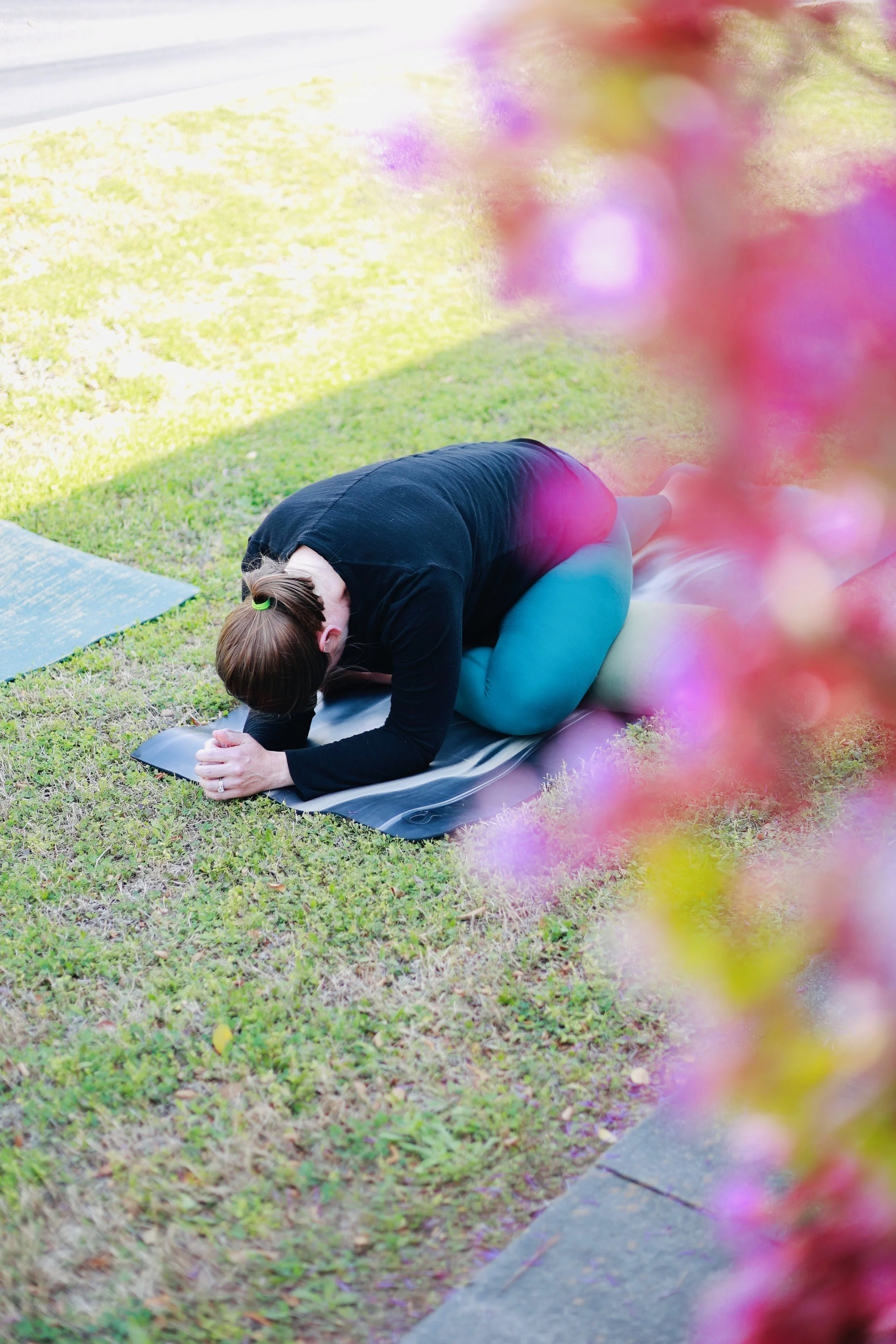
When exhaustion becomes your normal
You wake up tired. You push through the day. And by the time evening comes, you feel completely depleted.
Not just physically. Mentally and emotionally too.
A lot of people dealing with chronic fatigue start blaming themselves.
They think:
“Maybe I’m lazy.”
“Maybe I just need more discipline.”
“Maybe I should be able to handle more.”
But chronic exhaustion is not a character flaw.
Your body is trying to tell you something.
Fatigue is often connected to stress
Most people think fatigue only comes from lack of sleep.
But the nervous system plays a huge role in energy.
When your body has been living under chronic stress for a long time, it burns through energy differently.
Your system stays alert. Your muscles stay tense. Your body keeps preparing for stress.
Over time, that creates burnout and exhaustion.
This can show up as:
Brain fog
Low motivation
Anxiety
Feeling heavy in your body
Difficulty recovering energy
Even after rest.
Why your body may not be recovering
Your nervous system is designed to move in and out of stress.
The problem happens when your body never fully comes out of it.
That constant stress response affects:
Sleep
Digestion
Hormones
Immune function
Energy production
Which means your body spends more time surviving than restoring.
And eventually, exhaustion catches up.
Healing starts with regulation
This is why nervous system healing matters.
Instead of only chasing symptoms, the goal becomes helping your body feel safe enough to recover.
Approaches like somatic healing and NetworkSpinal support the body in releasing stress patterns and creating more regulation.
As the nervous system changes, people often notice:
Better sleep
More stable energy
Reduced anxiety
Less burnout
Feeling more connected to themselves
Not overnight. But gradually and sustainably.
Why this matters in Charleston
Life in entity["city","Charleston","South Carolina, USA"] can move fast.
People are juggling work, family, responsibilities, and nonstop stimulation.
A lot of people look functional on the outside while silently dealing with exhaustion underneath it all.
That’s why more people are beginning to look at health through the lens of the nervous system instead of just symptoms.
Your body is not failing you
Your exhaustion is not random.
Your body is adapting to stress the best way it knows how.
And when you begin supporting your nervous system differently, things can start to shift.
More energy. More steadiness. More capacity to actually enjoy your life again.
Ready to take the next step?
If you’re in Charleston and experiencing this, IVY Energetic Studio offers nervous system-based sessions designed to help your body regulate, heal, and come back into balance.
Anxiety Relief in Charleston Without Medication
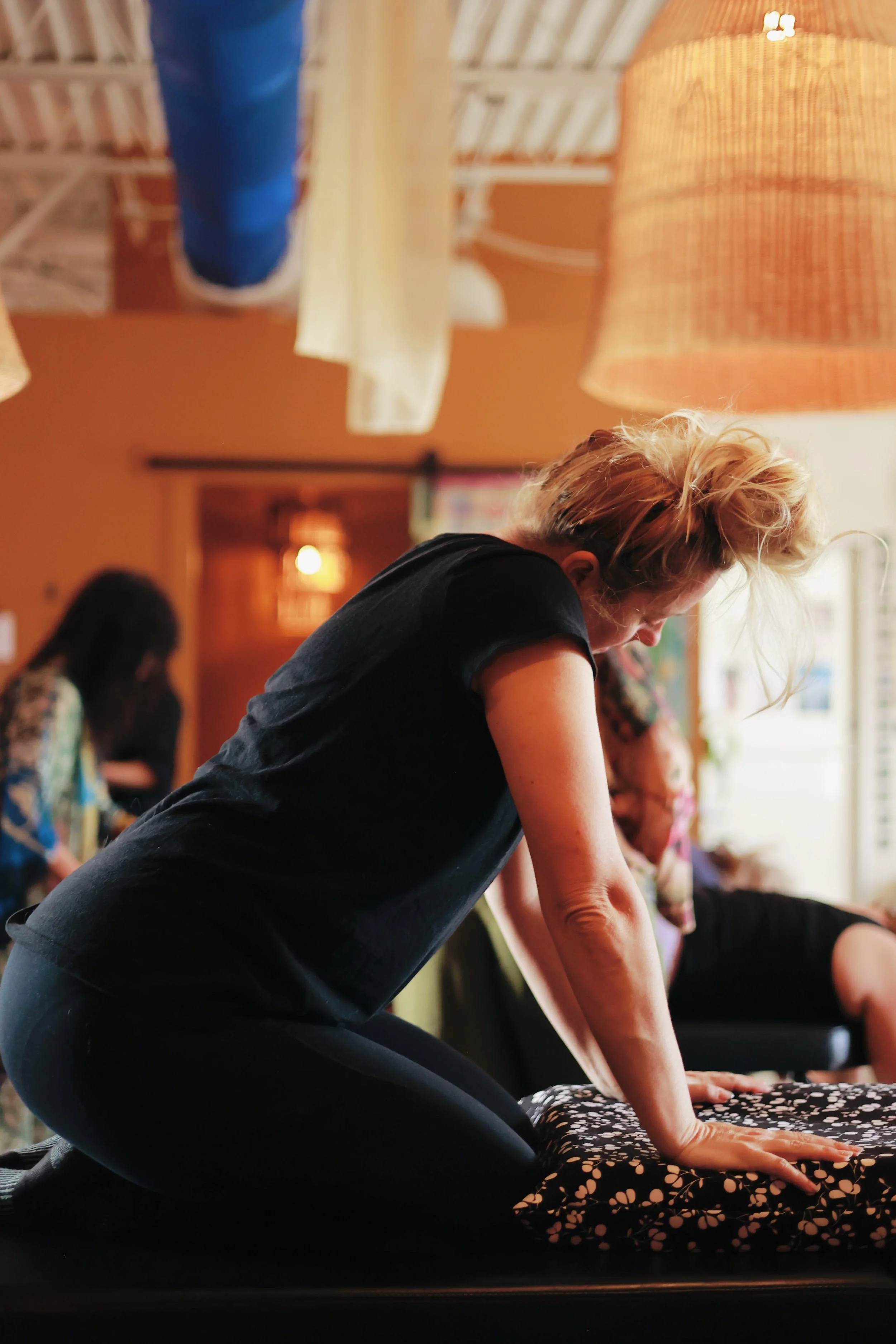
When your mind never fully slows down
You try to relax.
But your body still feels tense. Your thoughts keep going. You feel overwhelmed by things that used to feel manageable.
And even when life looks “fine” from the outside, your nervous system feels like it’s constantly on.
A lot of people in Charleston are walking around carrying anxiety in their body every single day without realizing how much stress they’ve adapted to.
Not because they’re weak. Not because they’re broken.
Because their system has been overloaded for a long time.
Anxiety is not just in your head
Most people think anxiety only lives in the mind.
But anxiety is also physical.
It can show up as:
Tightness in your chest
Shallow breathing
Racing thoughts
Trouble sleeping
Feeling constantly on edge
Exhaustion after simple tasks
Your nervous system is designed to protect you from danger.
The problem is that chronic stress can make your body stay in protection mode long after the stressful moment has passed.
So instead of feeling calm and grounded, your system stays alert.
That’s why you can feel anxious even when there’s no immediate reason.
Why so many people feel stuck
A lot of people try to manage anxiety by pushing through it.
They stay busy. Distract themselves. Tell themselves to calm down.
But if the nervous system never learns how to regulate, the cycle continues.
You might notice:
Burnout
Chronic fatigue
Difficulty relaxing
Feeling emotionally reactive
Feeling disconnected from your body
At some point, your body stops feeling like a safe place to be.
The nervous system connection
This is where things begin to shift.
Instead of only focusing on the symptoms of anxiety, more people are starting to focus on the nervous system itself.
Because when your nervous system feels safe, your body responds differently.
Breathing changes. Sleep improves. Your body starts to come out of survival mode.
This is one reason approaches like somatic healing and NetworkSpinal are becoming more popular in Charleston.
They work with the body directly, helping release stored stress patterns instead of forcing relaxation.
What regulation actually feels like
A regulated nervous system doesn’t mean life becomes perfect.
It means your body stops reacting to everything like it’s an emergency.
People often notice:
More emotional steadiness
Less physical tension
Better energy
Clearer thinking
A stronger sense of calm
Not because they forced themselves to feel better.
Because their body finally had support.
You don’t have to stay stuck in survival mode
If you’ve been living with anxiety for a long time, it’s easy to think this is just your personality.
But many times, it’s a nervous system pattern.
Patterns can change. Healing is possible. And your body is capable of more than you think.
Ready to take the next step?
If you’re in Charleston and experiencing this, IVY Energetic Studio offers nervous system-based sessions designed to help your body regulate, heal, and come back into balance.
What Is NetworkSpinal Care in Charleston, SC?
If you’ve tried everything and still don’t feel better
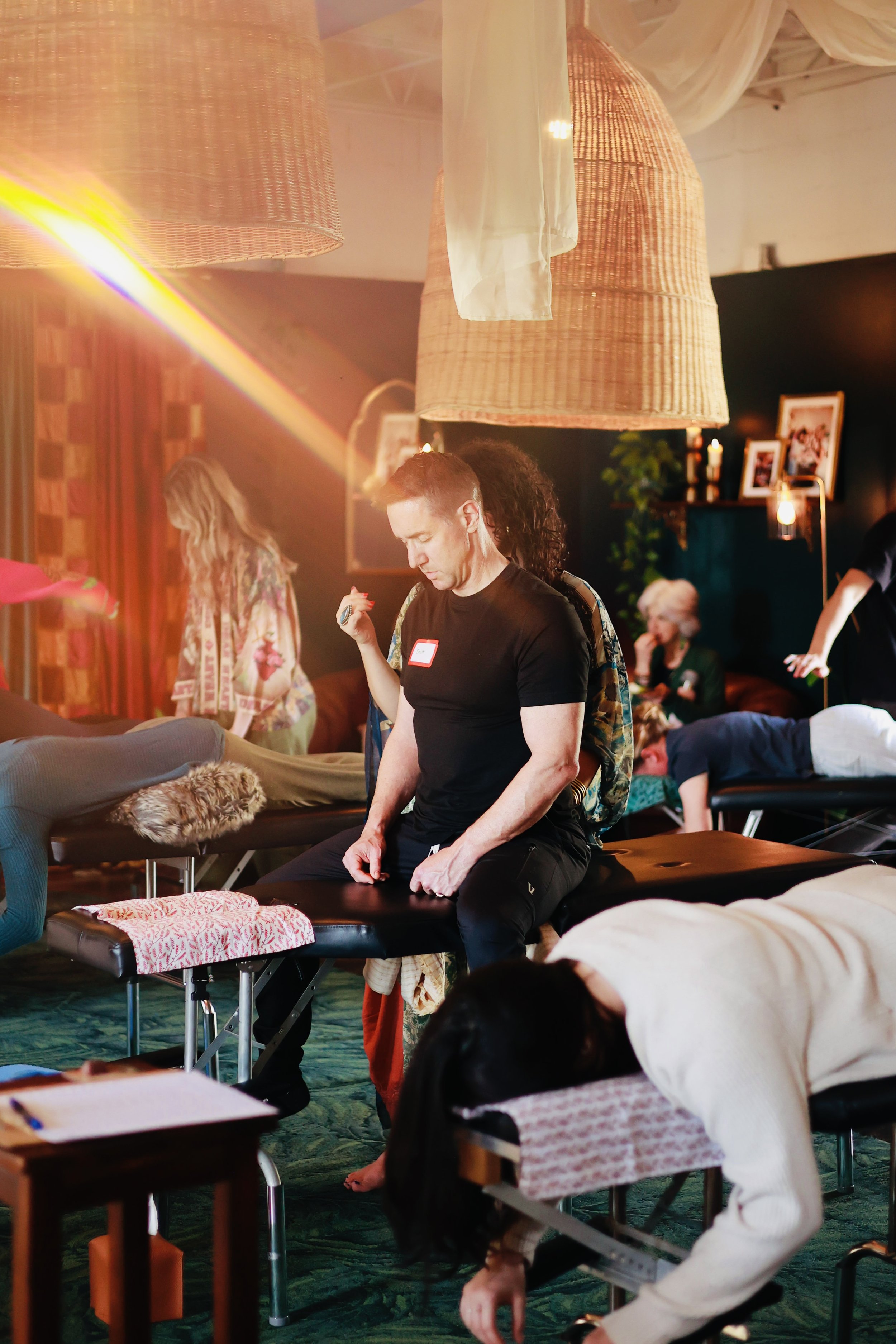
You’ve done the appointments.
You’ve tried to rest more.
You’ve looked into different ways to heal.
And still, something feels off in your body.
Maybe it’s the constant fatigue.
The anxiety that never fully settles.
The sense that your body just won’t relax.
If that’s where you are, you’re not alone. A lot of people in Charleston find themselves here after trying everything they thought would work.
This is usually the point where people start asking a different question:
What am I missing?
It might not be what you think
Most approaches focus on symptoms.
Fix the fatigue.
Reduce the stress.
Manage the anxiety.
But what if those symptoms are not the root issue?
What if they’re signals coming from a system that’s overwhelmed?
That system is your nervous system.
Your nervous system controls how your body responds to stress, processes experiences, and returns to a state of balance.
When it’s dysregulated, your body can feel stuck in patterns like:
Chronic fatigue
Burnout
Anxiety
Tension that doesn’t fully release
And no matter how much you try to fix the surface, the deeper pattern stays in place.
So what is NetworkSpinal care?
NetworkSpinal is a gentle, nervous system based approach that works directly with how your body holds and processes stress.
It’s not forceful.
It’s not about cracking or adjusting in the way most people expect.
Instead, it uses light touches along the spine to help your body:
Release stored stress
Reorganize tension patterns
Build a stronger connection between your brain and body
What matters here is this:
Your body already knows how to heal.
But when it’s stuck in stress patterns, it can’t access that ability fully.
NetworkSpinal helps your system come out of those patterns so healing can happen naturally.
Why the spine matters
Your spine is more than structure.
It’s a key part of your nervous system.
When your body goes through stress, it doesn’t just stay in your mind. It gets stored physically.
Over time, that can show up as:
Tightness in your body
Shallow breathing
Feeling on edge or shut down
Ongoing exhaustion
NetworkSpinal works with the spine to help your system release those patterns in a way that feels safe and sustainable.
What people often notice
Everyone’s experience is different, but many people begin to notice changes like:
Feeling calmer without trying
More consistent energy instead of constant fatigue
Better sleep
Less reactivity to stress
A stronger sense of being in their body
Not because they forced it, but because their nervous system started functioning differently.
That’s the shift.
Why this matters if you feel stuck
If you’ve been dealing with chronic fatigue, burnout, or anxiety, it can feel like you’ve hit a wall.
You might start to think:
“This is just how I am now.”
“Maybe this is as good as it gets.”
But in many cases, your body hasn’t failed.
It just hasn’t had the right kind of support yet.
When your nervous system begins to regulate, your body doesn’t have to work so hard just to get through the day.
Energy starts to return.
Stress feels more manageable.
You feel more like yourself again.
Why more people in Charleston are exploring this
In Charleston, more people are starting to look beyond traditional approaches and focus on how their body is actually functioning.
Not just symptom relief, but real healing.
Because when the nervous system changes, it impacts everything:
Energy
Mood
Sleep
Overall health
NetworkSpinal is part of that shift. It’s not about doing more. It’s about working with your body in a different way.
This is a different kind of healing
It’s subtle at first, but it goes deeper.
Instead of chasing symptoms, you’re supporting the system that controls all of them.
And that’s where real change starts to happen.
Ready to experience it for yourself?
If you’re in Charleston and experiencing this, IVY Energetic Studio offers nervous system-based sessions designed to help your body regulate, heal, and come back into balance.

Why Am I Always Exhausted? (Charleston Guide)

You’re doing everything right… so why are you still so tired?
You’re getting sleep.
You’re trying to take care of yourself.
You’re pushing through your day the best you can.
And still… you feel exhausted.
Not just a little tired.
Not something a nap fixes.
It’s the kind of exhaustion that sits in your body and doesn’t leave.
If you’ve been asking yourself, “Why am I always this tired?” you’re not alone. A lot of people in Charleston feel this way, even if they don’t talk about it.
When your body just won’t catch up
At some point, it stops feeling temporary.
You might notice:
You wake up already drained
Your energy crashes halfway through the day
Your mind feels foggy or overwhelmed
You feel anxious but also exhausted at the same time
And maybe the most frustrating part is this:
You’re trying.
You’re doing what you’re “supposed” to do, but your body isn’t responding the way it should.
That can start to feel defeating.
This isn’t a motivation issue
Most people assume exhaustion means they need to try harder or fix something on the surface.
But that’s usually not the real issue.
What’s actually happening is deeper in the body, inside your nervous system.
Your nervous system is what controls how your body responds to stress, pressure, and safety.
When it’s been under stress for a long time, it doesn’t just reset on its own.
It adapts.
And those adaptations can look like:
Constant fatigue
Burnout
Chronic tension
Anxiety that doesn’t fully settle
Your body isn’t working against you. It’s trying to keep up with what it’s been through.
Why rest hasn’t been working
This is where a lot of people get stuck.
They try to rest more, slow down, or take a break, but nothing really changes.
Here’s why:
If your nervous system is still in a stress response, your body doesn’t fully receive rest.
So even if you sleep, your system stays “on.”
That’s why you can feel:
Tired after a full night of sleep
Wired and exhausted at the same time
Unable to fully relax, even when you try
It’s not that rest doesn’t work. It’s that your body hasn’t been able to shift out of stress.
What’s actually missing
The piece that’s often overlooked is nervous system regulation.
This isn’t about doing more.
It’s about helping your body shift out of survival mode.
When your system starts to regulate, things begin to change naturally:
Your energy becomes more stable
Your mind feels clearer
Your body starts to relax without forcing it
This is where approaches like Network Spinal and somatic healing come in.
They work with the body, not against it.
Instead of pushing for results, they help your system release stress patterns and rebuild a sense of safety.
And that’s when real healing starts.
Why more people in Charleston are looking at this differently
In Charleston, a lot of people are used to staying busy, staying productive, and pushing through stress.
But more are starting to notice that pushing harder isn’t fixing exhaustion.
They’re looking at their health differently.
Not just in terms of symptoms, but in terms of how their body is functioning underneath it all.
Because when your nervous system changes, everything else follows.
You’re not broken
If you’ve been feeling this way for a while, it’s easy to start thinking something is wrong with you.
But this isn’t about something being wrong.
It’s about your body needing a different kind of support.
Your exhaustion is not random.
It’s not weakness.
It’s a signal.
And when you start listening to it in the right way, things can shift.
There is a way to feel like yourself again
You don’t have to keep living in this cycle of pushing, crashing, and trying to recover.
Your body can feel different.
More energy.
More clarity.
More steadiness.
Not because you forced it, but because your system finally had the support it needed to reset.
Ready to take the next step?
If you’re in Charleston and experiencing this, IVY Energetic Studio offers nervous system-based sessions designed to help your body regulate, heal, and come back into balance.
Nervous System Care as a Lifestyle: From Foundation to Expansion
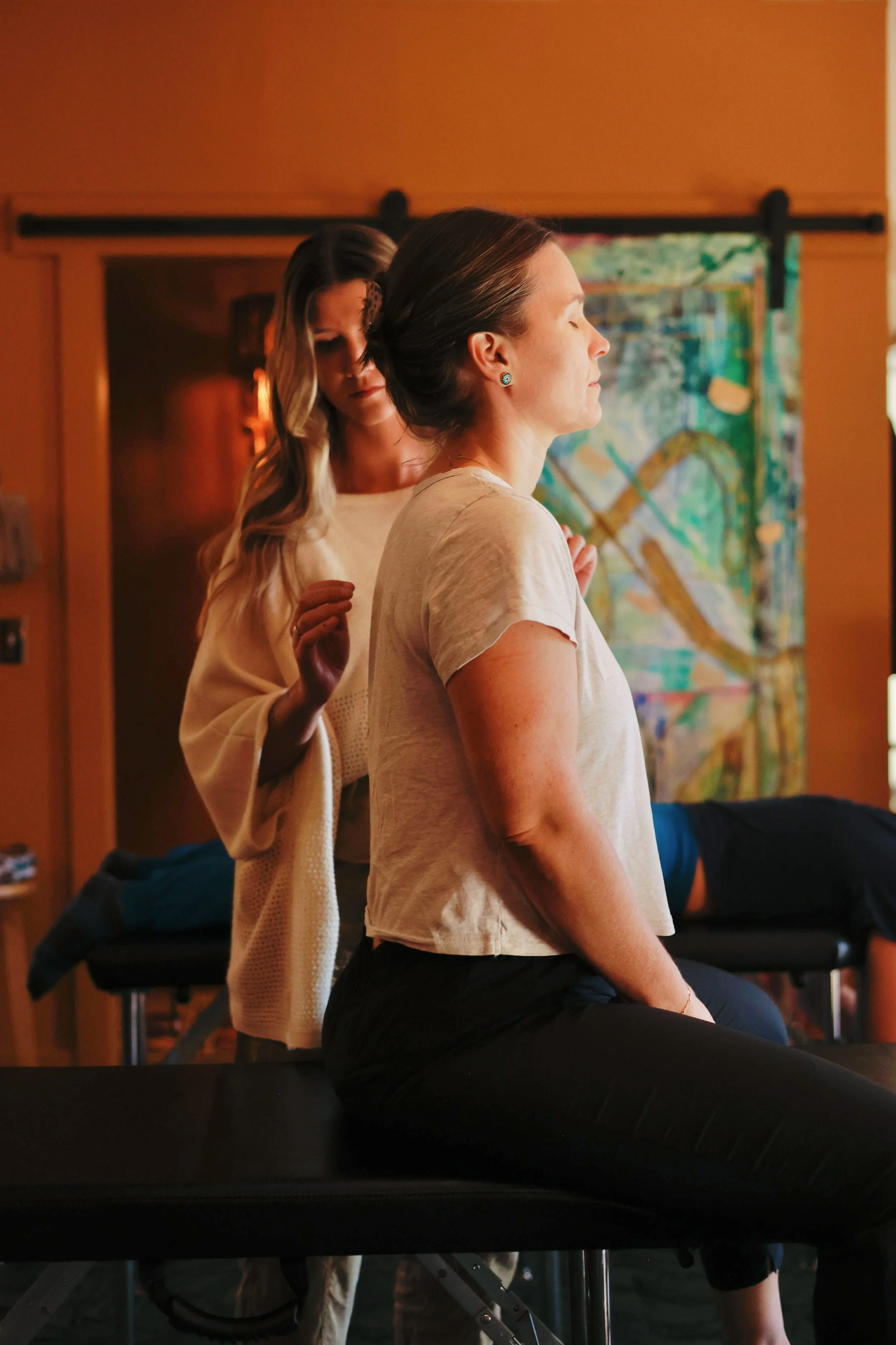
Stress has become normal, overwhelm is expected and burnout feels inevitable.
But nervous system care is not just something you turn to when things fall apart.
At IVY we know nervous system care is a lifestyle, one that begins with foundation and evolves into expansion.
Finding Foundation
Discovering Your Baseline
Most people begin care in a survival state. The nervous system is operating from protection:
Tension in the body
Shallow breathing
Emotional reactivity
Hypervigilance or fatigue
Through consistent NetworkSpinal care, stored stress patterns begin to reorganize. The body begins to unwind tension it has held, sometimes for years. This is the Discover phase. You begin to notice your baseline, recognize your triggers, develop internal safety, and become more adaptive instead of reactive.
As your nervous system experiences safety, it learns new strategies. Neuroplasticity allows the body to form more resilient patterns. You stay open and clear more regularly. You move from surviving… to stabilizing. And this foundation changes everything.
From Regulation to Expansion
A healthy nervous system isn’t flat or always calm. It’s adaptable.
It can mobilize when needed and rest when safe.
It can feel emotion without becoming overwhelmed.
It can move through stress without storing it.
With continued nervous system care, your system doesn’t just regulate, it expands.
Energy once used for protection becomes available for clarity, creativity, and growth.
Elevation & Creation
Once foundational safety is established, care evolves.
The question shifts from:
“How do I feel better?”
To:
“What am I here to build?”
This is the Integration Phase and you are able to embody who you are meant to be.
Your nervous system has capacity now.
Capacity to:
Think clearly
Make aligned decisions
Sustain energy
Navigate challenges without collapsing
You move into purpose, direction, elevation, and creation.
Stress doesn’t disappear, but your response transforms.
You become more resilient.
More embodied.
More intentional.
Why Ongoing Nervous System Care Matters
Nervous system regulation isn’t a one-time fix.
As your life expands, your nervous system must adapt to greater complexity.
Continued NetworkSpinal care supports:
Long-term stress resilience
Emotional regulation
Adaptability
Sustainable energy
Deeper embodiment
This is the refinement.
Living Regulated
When nervous system care becomes a lifestyle, you notice:
You pause instead of react.
You breathe before responding.
You rest without guilt.
You lead without force.
At IVY, we believe your body holds innate intelligence.
NetworkSpinal care creates the environment for that intelligence to express more fully.
First you Discover.
Then you Transform.
You Awaken.
And ultimately — you Integrate.
Foundation.
Expansion.
Embodiment.
Creation.
This is nervous system care as a lifestyle.
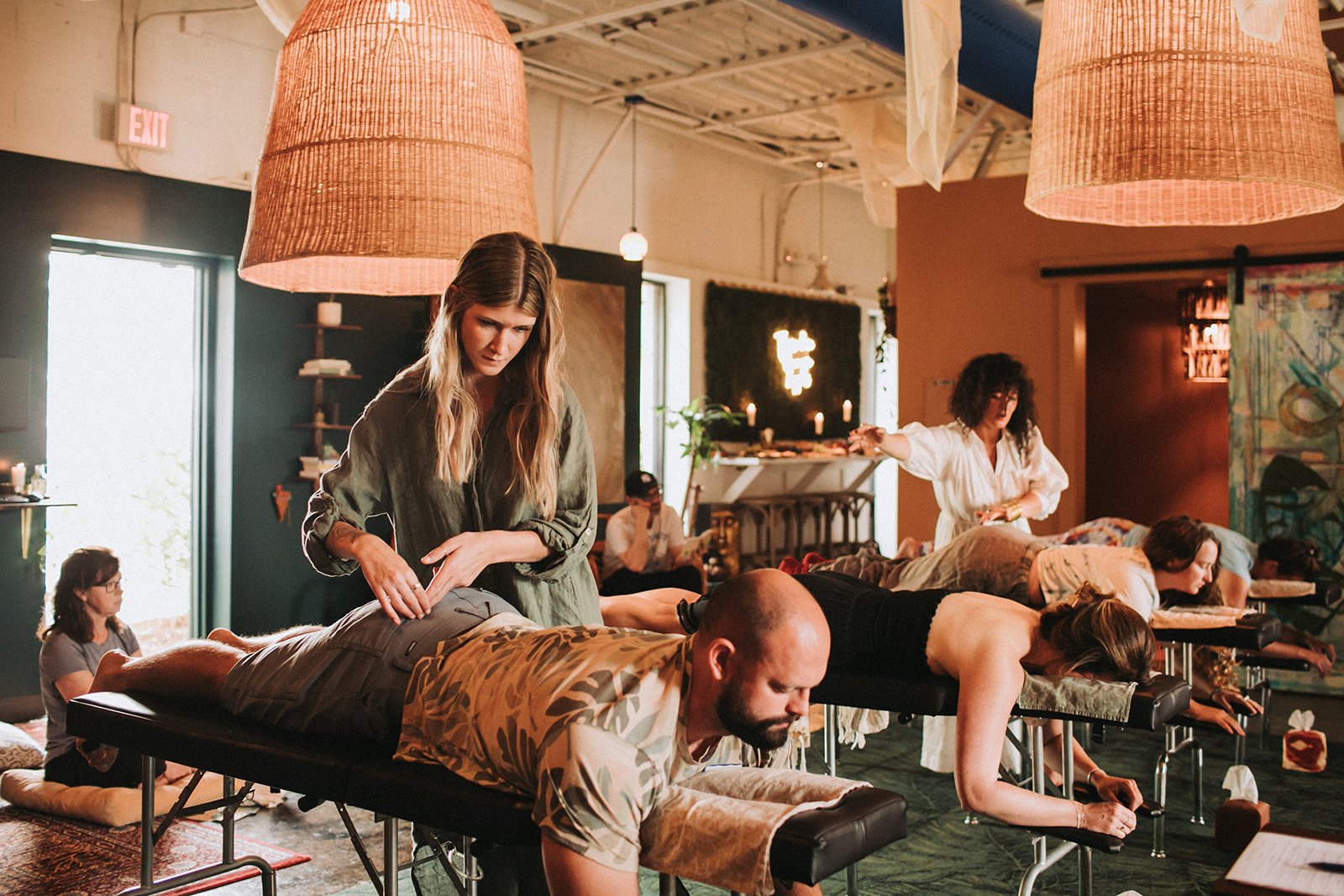
Retracing in NetworkSpinal Care:
It All Begins Here
A Nervous System Perspective
Healing within the nervous system is not a linear process. As the body reorganizes, it may temporarily revisit previously stored patterns before establishing greater stability and coherence. In NetworkSpinal care, this process is often referred to as retracing.
While retracing can feel unexpected, it is widely understood within chiropractic and nervous system–focused care as a normal adaptive response during periods of neurological reorganization.
Defining Retracing
Retracing describes the temporary reappearance of sensations, symptoms, emotional states, or movement patterns that occurred earlier in an individual’s life or healing journey.
These experiences may include:
Familiar physical body discomfort, like a shoulder injury from years ago briefly becoming sore again.
Somatic sensations that feel “old” or recognizable
Emotional or perceptual shifts
Importantly, retracing does not indicate injury, regression, or treatment failure. Rather, it reflects the nervous system’s capacity to process previously unresolved adaptive responses.
Why Retracing Occurs in NetworkSpinal Care
NetworkSpinal care emphasizes increasing spinal and neurological awareness, rather than forcing structural change. Through gentle, precise contacts, the nervous system is invited to recognize areas of stored tension and reorganize toward more efficient patterns of regulation.
As this occurs:
Protective tension patterns begin to release
Neural pathways reorganize
The body shifts from survival-based responses into adaptive regulation
During this transition, the nervous system may momentarily revisit earlier patterns, not because it is overwhelmed, but because it has developed sufficient coherence and safety to integrate them.
From an energetic perspective, retracing can be understood as the body completing unfinished cycles, allowing stored information to resolve rather than remain held within the system.
The Clinical Significance of Retracing
From a clinical standpoint, retracing is generally:
Temporary
Self-limiting
Followed by improved regulation and adaptability
Research and clinical observation suggest that as nervous system capacity increases, the body becomes better able to process sensory, emotional, and physiological input. Retracing may occur at transitional points where the system is upgrading its organizational strategy.
This process reflects not breakdown, but neuroplastic change.
Nervous System Intelligence and Healing
The nervous system operates with remarkable precision. It does not surface patterns randomly or prematurely. Experiences associated with retracing tend to emerge only when the system perceives adequate internal resources to process them safely.
In this way, retracing demonstrates the inherent intelligence of the body, a reminder that healing is guided not only by conscious intention, but by deeply embedded regulatory mechanisms.
Supporting the Body During Retracing
If retracing occurs, individuals are encouraged to:
Maintain regular NetworkSpinal care
Prioritize rest and hydration
Observe sensations with curiosity rather than alarm
Communicate openly with their NetworkSpinal doctor
Most individuals report that once retracing resolves, they experience greater ease, clarity, and resilience within both body and nervous system.
A Brief Research Perspective
Chiropractic literature has described retracing as the nervous system “revisiting previously experienced states” while progressing toward higher levels of organization and adaptability. This understanding aligns with modern perspectives on neuroplasticity and adaptive regulation.
Retracing highlights that healing is not the absence of sensation, but the restoration of communication and coherence within the nervous system.
Healing as Reorganization
At IVY Energetic Studio, we view retracing as an indicator that the nervous system is actively engaging in reorganization. It reflects a shift toward greater awareness, adaptability, and internal balance.
NetworkSpinal care honors both the measurable and the subtle, the neurological and the energetic, recognizing that true healing often unfolds beyond what can be immediately seen, yet is deeply felt.
If you have questions about your experience or would like support, our team is here to guide you through each phase of your healing process.
- Dr. Emma